What Causes Basement Walls to Bow? Signs & Solutions
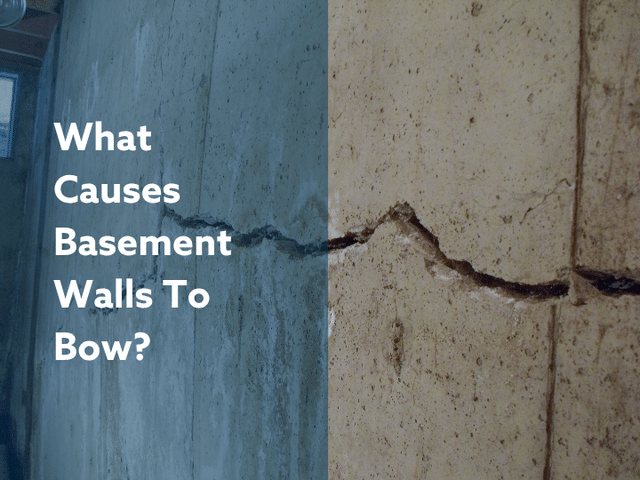
Your home is in a constant, silent battle with the ground surrounding it.
The soil and water outside exert thousands of pounds of pressure on your foundation walls every single day. When that force, often supercharged by heavy rains or expanding clay soil, becomes too great, your walls can begin to bend, bulge, and bow inward. This isn't a sign of poor construction; it's a sign that the external pressure has exceeded what the wall was designed to withstand.
Understanding what causes basement walls to bow is the first step to fighting back and protecting your investment. In this article, we’ll break down the powerful forces at play, show you how to spot the early warning signs, and explain the permanent repair options available to you.
Key takeaways
- Bowing walls are caused by immense pressure from water-logged soil outside your home. This is a serious structural issue that worsens over time, so addressing it quickly is essential to protect your home's stability.
- Consult a professional for a permanent fix. A bowing wall is a solvable problem with the right help. An expert can recommend the best solution for your home, such as wall anchors or carbon fiber straps, to permanently stabilize the foundation.
- Prevent pressure with proper water management. You can protect your foundation by keeping the surrounding soil dry. Simple maintenance like cleaning gutters, extending downspouts, and ensuring your yard slopes away from the house makes a huge difference.
What are bowing basement walls?
When you hear the term "bowing basement walls," it’s a pretty literal description of the problem. It means your foundation walls have started to curve, bulge, or lean inward, away from their original straight position.
Think of it like a piece of cardboard that starts to bend when pressure is applied to one side. The same principle is at work on your foundation, just on a much larger and more serious scale.
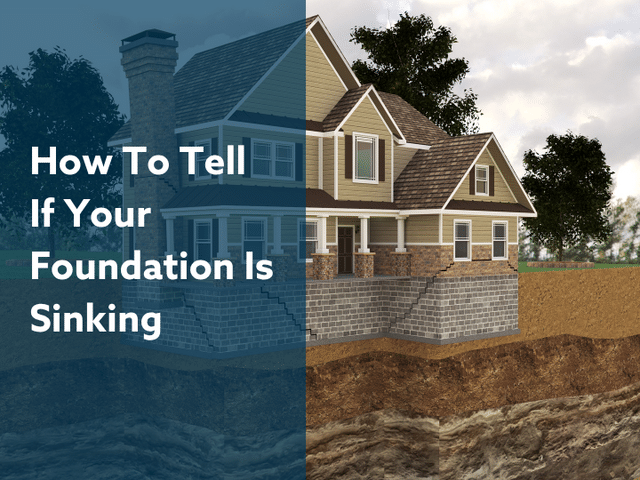
This bowing happens when the soil outside your home exerts an immense amount of pressure on the foundation. This force, known as hydrostatic pressure, is often caused by water-saturated soil. The more water in the ground, the heavier it becomes, and the harder it pushes against your basement walls. Over time, this constant pressure can force the wall to bend inward, usually most noticeably in the middle.
Even a slight curve is a red flag. A bowing wall is a clear sign of a structural issue that will not fix itself or get better on its own. In fact, it will likely worsen, leading to more significant cracks, water intrusion, and potential foundation failure. Addressing the issue with a professional foundation repair solution is the only way to restore your home's stability and prevent a small problem from becoming a major, expensive disaster. Ignoring it simply isn't an option if you want to protect your home and your family.
What causes basement walls to bow?
When you notice your basement walls starting to curve or bulge inward, it’s a clear sign that something is pushing against them from the outside.
This external force is the root cause of bowing walls, and it’s almost always related to the soil and water surrounding your foundation.
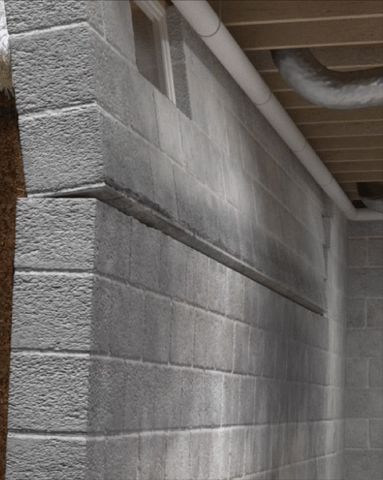
Think of your basement as a boat in a sea of soil. When that soil gets heavy with water or expands for other reasons, it exerts immense pressure on your foundation walls. If the force becomes greater than what the walls were designed to handle, they will begin to bend and bow.
Several factors can create this intense pressure, and it's rarely just one thing. Most often, it’s a combination of issues working together to compromise your home’s structural integrity.
Understanding these causes is the first step toward finding the right solution and protecting your home. From the type of soil in your yard to the way water drains around your house, each element plays a role in the health of your foundation. A little bit of water from a poorly aimed downspout combined with expansive soil can create a perfect storm for foundation damage.
Let's look at the most common culprits behind bowing basement walls so you can identify what might be happening at your home.
1. Hydrostatic pressure
Hydrostatic pressure is just a technical term for the pressure created by standing water.
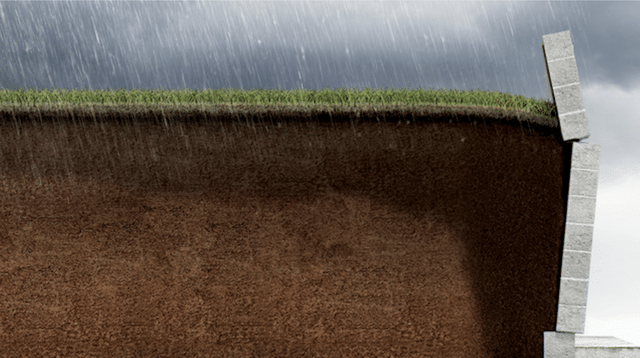
When the soil around your foundation becomes saturated after heavy rain or snowmelt, it gets incredibly heavy. This water-logged soil pushes against your basement walls with tremendous force. It’s similar to the pressure that water exerts on the sides of a swimming pool.
If that pressure becomes too much for your walls to handle, they will start to bow inward. This is one of the most frequent causes of foundation problems, and managing water around your home is key to preventing it. Effective basement waterproofing systems are designed to relieve this pressure and keep your basement dry.
2. Expansive clay soil
The type of soil you have can make a huge difference.
Many homes in the Midwest are built on expansive clay soils. This type of soil acts like a sponge; it swells up significantly when it absorbs water and shrinks as it dries out.
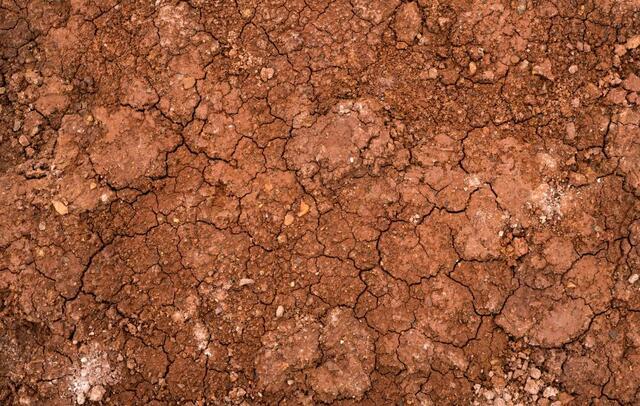
This constant cycle of expansion and contraction puts relentless stress on your foundation walls. During wet periods, the swelling clay pushes inward, and during dry spells, it pulls away.
Over years, this repeated movement can weaken the wall, causing it to crack and bow. You can’t change your soil, but you can control the moisture levels around it to minimize this effect.
3. Frost Heave
If you live in an area with cold winters, you’re likely familiar with frost heave.
This happens when soil moisture freezes and expands. The force of this expansion is powerful enough to lift sidewalks and crack driveways, and it can do serious damage to your foundation. As the frozen ground pushes against your basement walls, it can cause them to bow. This pressure is often most intense a few feet below the ground's surface, which is why you might see bowing in the middle or upper part of the wall.
The problem gets worse with repeated freeze-thaw cycles season after season.
4. Poor drainage and grading
How water flows around your property is critical for your foundation’s health.
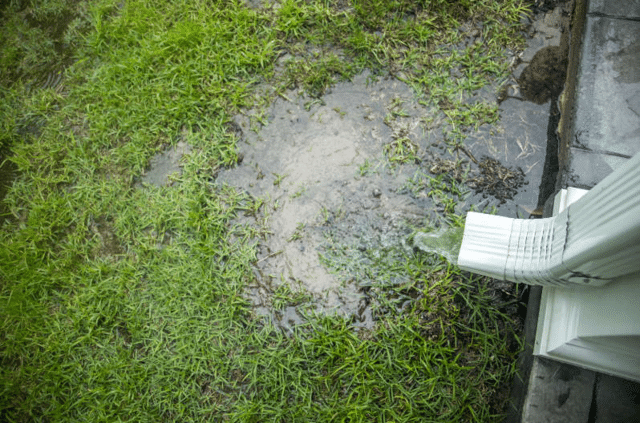
If your yard slopes toward your house, or if your gutters and downspouts are clogged or dump water right next to the foundation, you’re essentially inviting trouble. All that water pools against your home, saturates the soil, and creates the hydrostatic pressure we talked about earlier. Proper grading and functional gutters are your first line of defense.
Directing water away from your foundation is one of the most effective ways to prevent the need for major foundation repair down the road.
5. Soil compaction
While water is the usual suspect, other sources of pressure can also cause walls to bow.
Heavy objects placed too close to your foundation can compact the soil, increasing the lateral force against your basement walls. This could be something temporary, like a dumpster or heavy construction equipment during a renovation project. It could also be a permanent feature, like a concrete patio or driveway that was installed without considering the pressure it would add.
This added weight squeezes the soil against your foundation, which can eventually lead to bowing and cracking.
Signs your basement walls are bowing
Spotting a foundation problem early can save you a lot of stress and money down the road. Bowing walls usually don't happen overnight; they develop over time under intense pressure from the soil outside.
The good news is that your home will give you clues that something is wrong. If you know what to look for, you can catch the issue before it becomes a crisis. Pay attention to these key indicators that your basement walls are starting to fail.
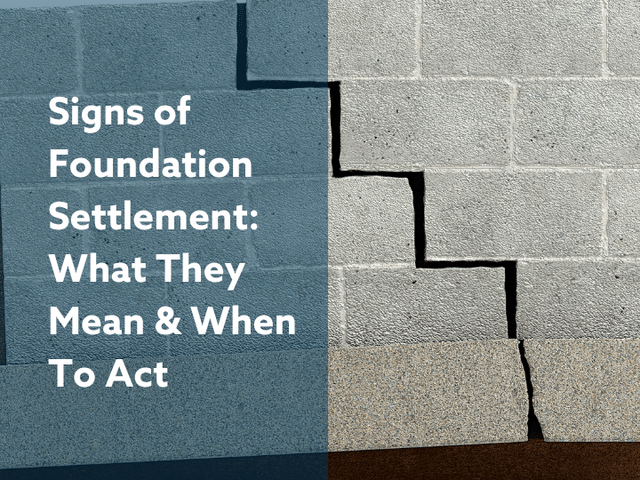
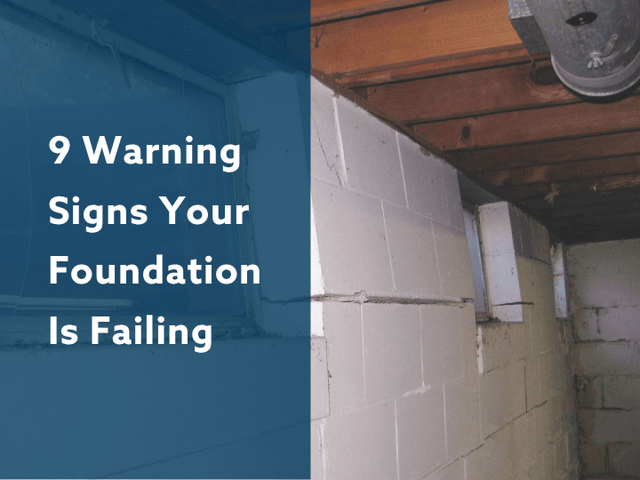
1. Horizontal and stair-step cracks
Not all cracks are created equal. While thin, vertical cracks can be a normal part of a home settling, horizontal and stair-step cracks are a major red flag.
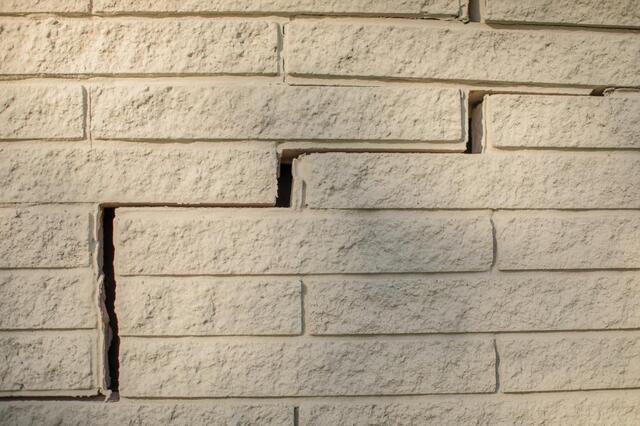
A horizontal crack running across the middle of your basement wall is a classic sign that it's bending inward under immense external pressure. Similarly, cracks that follow the mortar joints in a zig-zag or stair-step pattern indicate that the wall is shifting and bowing.
These aren't cosmetic issues; they are direct evidence that your wall's structural integrity is compromised and in need of professional foundation repair.
2. Bulging or leaning walls
Sometimes the most obvious sign is the wall itself.
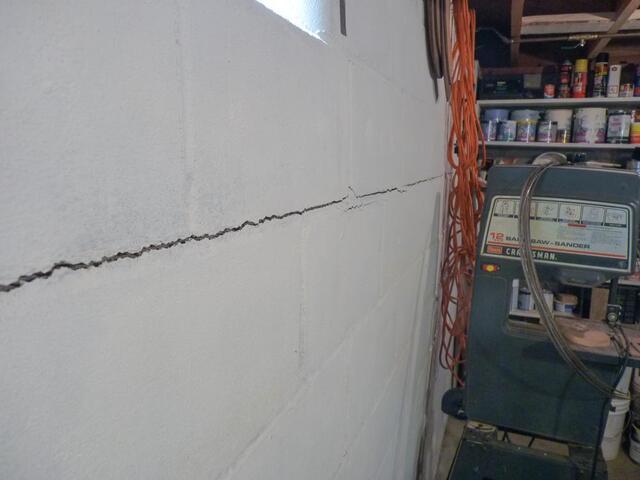
A bowing wall will have a noticeable curve or bulge inward, most often in the middle section. It might even appear to be leaning in at the top. You can check for this by standing at one end of the wall and looking down its length to see if there's a visible curve.
Another trick is to place a long level against the wall to see if it sits flat. A bulge means the hydrostatic or soil pressure outside is literally bending your foundation, a serious problem that weakens the entire structure of your home.
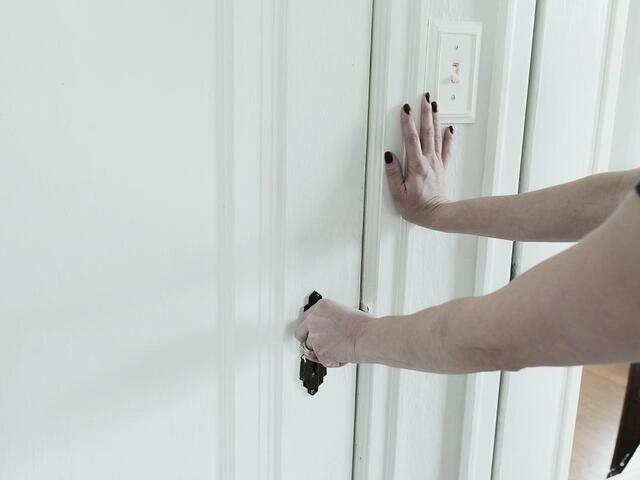
3. Sticking doors and windows
You might be surprised to learn that a problem in your basement can show up on the upper floors of your home.
When a foundation wall bows, it can cause the entire house frame to shift and settle unevenly. This movement can warp the frames around your doors and windows, causing them to stick or become difficult to open and close.
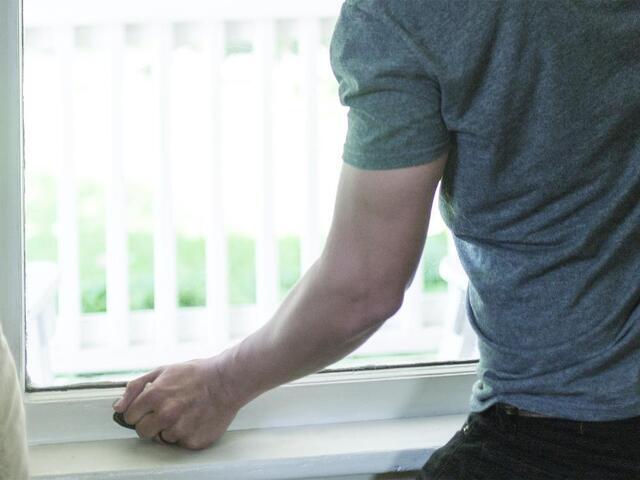
You might also notice new cracks in the drywall around these frames. If you're suddenly struggling with stubborn doors and windows, it could be a symptom of a much deeper issue starting in your foundation.
4. Water and moisture
Bowing walls and water problems often go hand-in-hand.
The cracks that form in a stressed foundation wall create easy entry points for groundwater to seep into your basement. If you notice dampness, water stains, or active leaks on your basement walls, especially after heavy rain, it’s a strong sign of trouble.
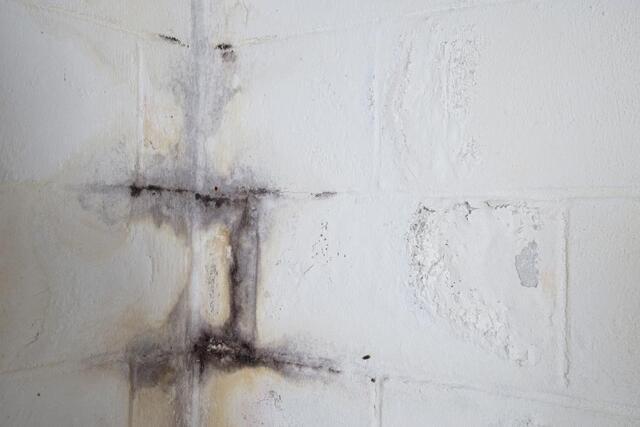
This moisture can lead to a host of other issues, including ruined personal belongings, musty odors, and the growth of unhealthy mold and mildew. A wet basement combined with wall cracks is a clear signal that your foundation needs immediate attention.
What happens if you ignore bowing walls?
Seeing a wall in your basement start to bow can be unsettling, and it’s tempting to hope it’s not a big deal.
Unfortunately, a bowing wall is a clear sign of a foundation problem that will not fix itself. Ignoring it allows the underlying issue, like pressure from the soil outside, to continue damaging your home. What starts as a slight curve can become a severe structural risk, leading to more complex and expensive problems down the road.
Addressing it early is the best way to protect your home and your peace of mind.
1. Risk of structural collapse
The most serious danger of a bowing wall is the risk it poses to your home's structural integrity.
Your foundation walls support the weight of your entire house. When a wall bows, it loses its ability to carry that load effectively. This can cause a chain reaction of problems throughout your home, like sloping floors, cracks appearing above door and window frames, and doors that no longer close properly.
Over time, the constant pressure can lead to a total wall failure, which is a catastrophic and dangerous event. Prompt foundation repair is essential to stabilize the wall and prevent a potential collapse.
2. Water damage and mold growth
Bowing walls and water problems often go hand in hand.
As the wall bends inward, it develops cracks that create easy entry points for moisture. Every time it rains or snow melts, water can seep into your basement, leading to dampness, puddles, and potential flooding. This moisture can ruin anything you have stored in the basement and create the perfect environment for mold and mildew to grow, which can affect your family’s health.
Furthermore, the water can weaken the concrete and soil around your foundation, making the bowing even worse. A comprehensive basement waterproofing solution can stop water intrusion while the wall is being repaired.
3. Higher repair costs
When it comes to foundation issues, waiting always costs more.
A bowing wall is a progressive problem; it will only get worse, and the damage will accelerate over time. A small bow that might be fixed with a straightforward solution can become a severely compromised wall that requires a much more extensive and costly repair. By putting it off, you’re not just dealing with the bowing wall itself but also any secondary damage it causes, like water issues or structural misalignments.
Tackling the problem as soon as you spot it is the most effective way to keep repair costs manageable and protect your home from further harm.
4. Decreased home value
A bowing basement wall can significantly impact your home's value and your ability to sell it.
Foundation problems are a major red flag for potential buyers, and most will be unwilling to take on such a significant issue. In fact, many banks won't approve a mortgage for a home with a known structural defect, which drastically shrinks your pool of potential buyers. Even if you get the wall fixed, you will likely have to disclose the past issue, which can make some buyers hesitant.
Protecting your home’s foundation is a direct investment in its long-term market value.
How to fix bowing basement walls
Discovering a bowing wall in your basement can feel overwhelming, but the good news is that there are proven, permanent solutions.
Ignoring the problem will only lead to more significant issues and higher costs down the road, so taking action is key. The right fix depends on several factors, including the severity of the bowing, the type of foundation, and the soil conditions around your home. Because every situation is unique, it's important to have a professional foundation repair expert perform a thorough inspection. They can accurately diagnose the cause and recommend the most effective course of action for your property.
These solutions are designed not just to stop the bowing but to secure your foundation for the long term, restoring your home’s structural integrity and your peace of mind.
Let’s walk through some of the most effective methods used to correct bowing basement walls. Each one offers a unique approach to stabilizing your home, ensuring there’s a reliable option for nearly every scenario. From less invasive interior supports that are quick to install to powerful exterior anchors that leverage the earth itself, modern engineering provides strong, lasting defenses against soil pressure.
1. Carbon Fiber Straps
If your wall has minor bowing or cracking, carbon fiber straps are an excellent, minimally invasive solution.
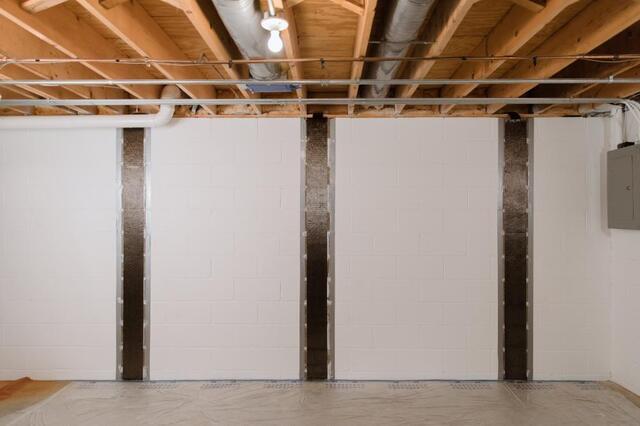
These straps are made from a material that is incredibly strong and will not stretch, effectively locking your wall in its current position and preventing any further inward movement. A crew applies the straps directly to the interior of the basement wall, usually every four feet.
The installation is clean, quick (often taking just a day or two), and once painted over, they are barely noticeable. It is important to know that carbon fiber straps are designed to stabilize the wall, not straighten it back to its original position.
2. Wall anchors
For walls with more significant bowing, wall anchors are a fantastic and highly effective solution.
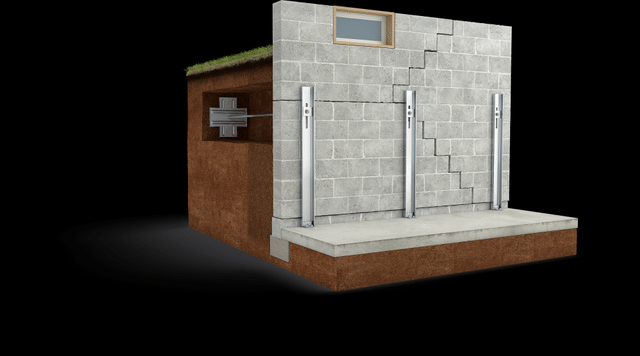
This system uses the stability of the soil in your yard to secure the bowing wall. A steel plate is attached to the interior of your basement wall, and a long steel rod connects it to an anchor plate buried in the soil about 10 to 12 feet away from your home. This setup counteracts the external pressure, holding the wall firmly in place.
Over time, the anchors can often be tightened to help straighten the wall. Installation is typically completed in one or two days and provides a permanent solution to keep your foundation secure.
3. Steel I-beams
Steel I-beams are another powerful option for stabilizing and potentially straightening your bowing walls.
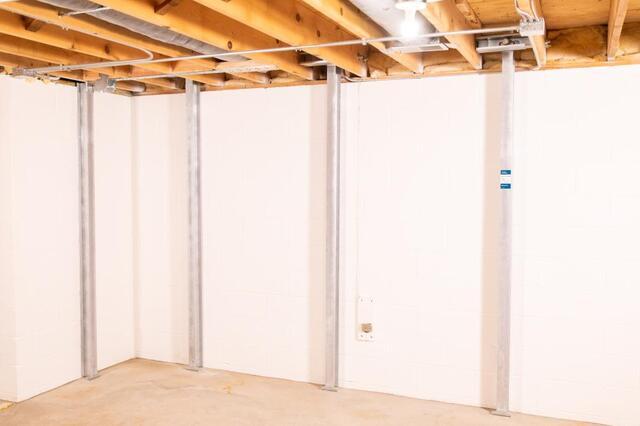
These heavy-duty steel beams are installed on the interior of your basement, running vertically against the affected wall. They are secured to the floor joists above and the concrete floor below, creating a rigid support system that prevents the wall from moving inward any further. One of the main benefits of I-beams is that they don’t require any exterior excavation. Over time, they can be adjusted to gradually push the wall back toward its original vertical alignment, offering a complete wall repair system.
4. Helical piers
When you’re dealing with more severe bowing or when exterior access is limited, helical tiebacks are a great solution.
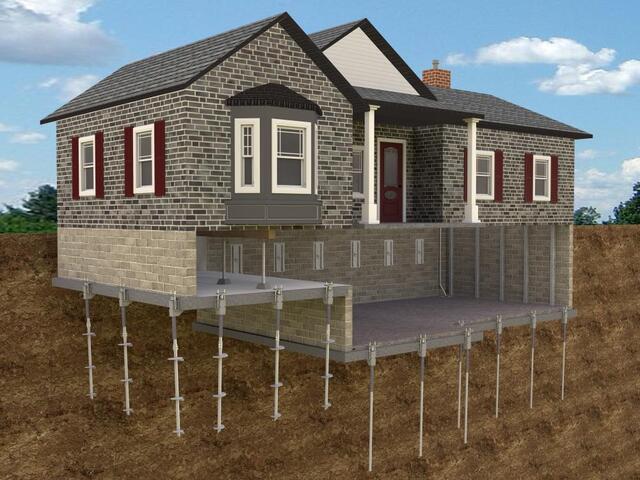
A helical pier
is a long steel shaft with screw-like plates that is drilled through the basement wall and deep into the stable soil outside. This process provides immediate stabilization by anchoring the wall to soil that isn't affected by pressure or moisture. Helical piers are a permanent fix that can be installed quickly with minimal disruption to your yard.
They are an ideal choice for providing the robust support needed to secure even the most compromised foundation walls.
How to prevent basement bowing walls
Seeing a wall begin to bow is unsettling, and fixing it can be a significant undertaking.
This is exactly why prevention is your most powerful tool as a homeowner. The forces that cause basement walls to bow, like hydrostatic pressure from water-saturated soil, don't appear overnight. They build up slowly, often due to issues right outside your home.
The good news is that you have a lot of control over these factors. By taking a few proactive steps, you can manage the water around your foundation and drastically reduce the risk of ever facing a bowing wall.
In the Midwest, we get everything from heavy spring rains to melting snow, all of which can saturate the expansive clay soil common in states like Nebraska, Iowa, and Missouri.
When this soil gets wet, it swells and pushes against your basement walls with incredible force. Preventing this pressure buildup is the name of the game. Most of these preventative measures are simple maintenance tasks you can handle yourself.
For the bigger jobs, knowing when to call a professional is just as important.
Let’s walk through the most effective ways to keep your foundation strong, your basement dry, and your walls perfectly straight for years to come.
1. Improve yard drainage
One of the most effective ways to prevent bowing walls is to control how water behaves around your house.
When your yard slopes toward your foundation, it directs rainwater right where you don’t want it. This water soaks into the soil, creating the intense pressure that causes walls to bow. Your goal is to ensure water flows away from your home, not toward it.
Take a walk around your property, especially during a rainstorm, to see where the water goes. The ground should slope away from your foundation for at least five feet. If it doesn’t, you may need to add soil to build up the grade.
This process, called regrading, is a simple but powerful way to protect your home. Also, be mindful of landscaping; large flower beds planted against the foundation can hold moisture, so it's best to keep them several feet away. Proper yard drainage is your first line of defense.
2. Maintain gutters and downspouts
Your gutters and downspouts are critical components of your home’s water management system.
If they are clogged with leaves and debris, they can’t do their job. Instead of channeling water away, they’ll overflow, dumping gallons of water directly against your foundation. This is a recipe for disaster when it comes to hydrostatic pressure.
Make it a habit to clean your gutters at least twice a year, once in the spring and again in the fall. While you’re up there, check that your downspouts are securely attached and clear of any blockages. Most importantly, ensure your downspouts extend far enough to discharge water at least five to ten feet away from your foundation.
Using downspout extenders is an easy and inexpensive way to direct water to a safe distance, keeping the soil around your basement dry and stable.
3. Install a drainage system
Sometimes, even with perfect grading and clean gutters, your property might still struggle with excess water.
This is especially common in areas with heavy rainfall or naturally dense, clay-rich soil. If you’re constantly dealing with a soggy yard or water in your basement, it might be time to consider a more robust solution. Installing a dedicated drainage system can provide the extra protection your foundation needs.
Exterior French drains or an interior drain tile system are excellent options. These systems are designed to capture water before it can build up against your basement walls and channel it to a sump pump, which then pumps the water safely away from your home.
While this is a job for professionals, it’s one of the most reliable ways to keep your basement permanently dry and relieve the pressure on your foundation walls.
4. Schedule regular foundation inspections
Even the most diligent homeowner can’t see what’s happening underground. That’s why regular inspections, both by you and a professional, are so important.
Once or twice a year, take a thorough walk through your basement. Look for any new cracks, moisture, or changes in the walls. Pay close attention to small horizontal or stair-step cracks, as these are often the earliest signs of bowing.
If you spot anything that concerns you, no matter how minor it seems, it’s time to call for a professional opinion. A trained expert can identify potential issues before they become serious problems. Catching a bowing wall early can mean the difference between a simple, less invasive repair and a major structural overhaul.
A professional foundation inspection gives you peace of mind and a clear plan to keep your home safe and secure.
Related Articles
- FAQs - Foundation Repair - Permanent Solutions to Your Problems | Thrasher
- Wall Brace & Beams to help prevent cracking of your foundation | Thrasher
Frequently Asked Questions
My wall is only bowing a little bit. Do I really need to fix it now? I understand the temptation to wait and see, but when it comes to your foundation, early action is always the best approach. A slight bow means the wall has already started to fail under the immense pressure from the soil outside. That pressure doesn't go away on its own; it will continue to push on the wall, causing the bow to worsen over time. Addressing it now, while the problem is relatively small, is the most effective way to ensure a simpler, less costly repair and prevent more serious structural damage down the line.
Can I fix a bowing wall myself? While I'm a huge fan of a good DIY project, this is one job that should always be left to the professionals. A bowing wall is a serious structural problem that requires engineered solutions and specialized equipment to fix correctly. Attempting a repair without the proper knowledge could make the problem worse or, in a worst-case scenario, lead to a dangerous wall failure. The safest and most effective route is to have a foundation repair expert inspect the wall and install a proven, permanent solution.
Will fixing the bowing wall also solve my basement water problems? Fixing the bowing wall is the critical first step. Stabilizing the wall prevents it from moving further and stops existing cracks from getting wider. However, the repair itself doesn't automatically make your basement waterproof. The cracks that have already formed can still allow water to seep in. A complete solution often involves both structural repair to secure the wall and a waterproofing system to manage water and keep your basement dry for good.
How disruptive is the repair process? Will my yard be a mess? This is a great question, and the answer really depends on the specific solution your home needs. Many repairs, like carbon fiber straps and steel I-beams, are installed entirely from inside your basement with very little mess or disruption. Other solutions, such as wall anchors, do require some small, targeted excavation in your yard. However, a professional crew will work carefully to minimize the impact on your landscaping and will clean up the site thoroughly once the job is complete.
Are the repairs for bowing walls a permanent fix? Yes, absolutely. Professional foundation repair solutions are not temporary patches; they are engineered to be permanent. Whether using carbon fiber, steel beams, or wall anchors, these systems are designed to permanently counteract the external pressure on your foundation walls. They restore stability and security to your home for the long term, giving you peace of mind that the problem has been solved for good.
Article Categories: