Foundation Heave vs Settlement: Key Differences Every Homeowner Should Know
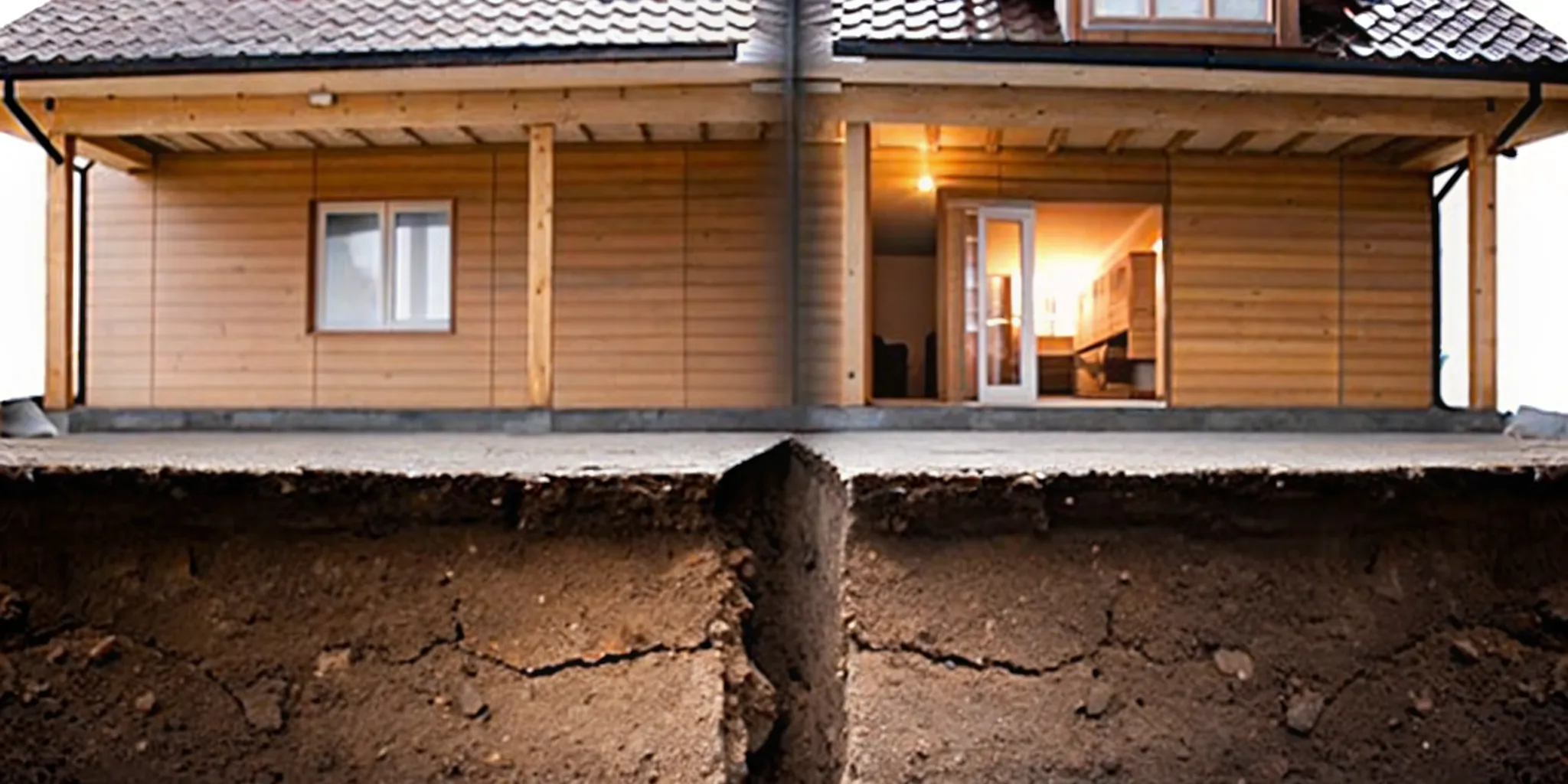
Midwestern homeowners often face shifting foundations due to the region's unique clay soils and extreme seasonal changes. These movements can lead to structural damage if you do not act quickly.
If you notice wall cracks, sticking doors, or sloping floors, do not wait. Schedule a free foundation inspection to find out if your home needs professional repair.
Foundation settlement is downward sinking caused by soil compression or erosion. Foundation heave is upward lifting caused by expansive clay soils swelling with moisture. Both issues damage your home, but they require different repairs. A professional inspection is the only way to know which one you have.
Most homeowners see the same signs of trouble regardless of which soil issue is at play. So, understanding the mechanics of the downward movement is vital for choosing the right fix. The first step involves looking closer at the details of what is foundation settlement versus foundation heave.
What Is Foundation Settlement?
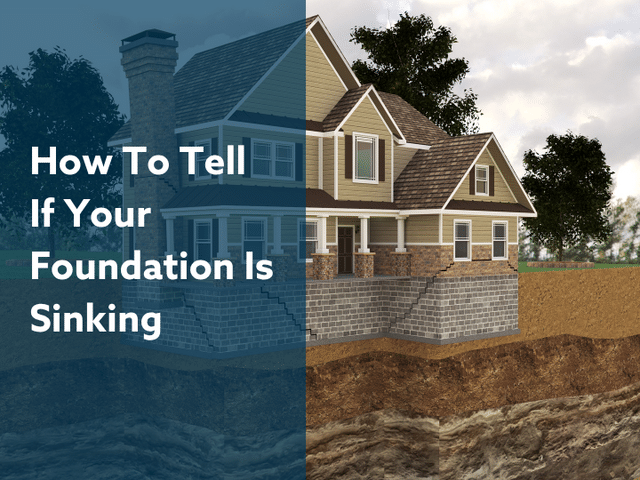
Bottom line: Foundation settlement happens when soil beneath your home compresses or erodes, causing your foundation to sink. It is the most common foundation issue in the Midwest and requires piering solutions to stabilize. This happens when the soil beneath your home compresses or erodes. It then causes the foundation to sink over time. While some minor shifting after build work is normal, major settlement can lead to bad structural damage. Knowing why this happens is the first step in guarding your home.
Common Causes of Settlement
One main cause of sinking is poorly packed soil. If builders did not pack the dirt well before they built, it can shift under the weight of the home. Nature, such as drought, also plays a large role. Dry weather causes soil to shrink, which leaves a gap under the base of your house. Even large trees can cause problems by sucking the water out of the earth.
Soil erosion is another frequent cause. Heavy rain or poor drainage can wash away the dirt that holds up your home. This lack of support forces the base to move down to find a firm spot. Many owners find that piering solutions for foundation settlement are needed to fix these deep soil issues. These tools use steel piers to reach strong earth deep below the surface to re-stabilize your home.
Signs of a Sinking Home
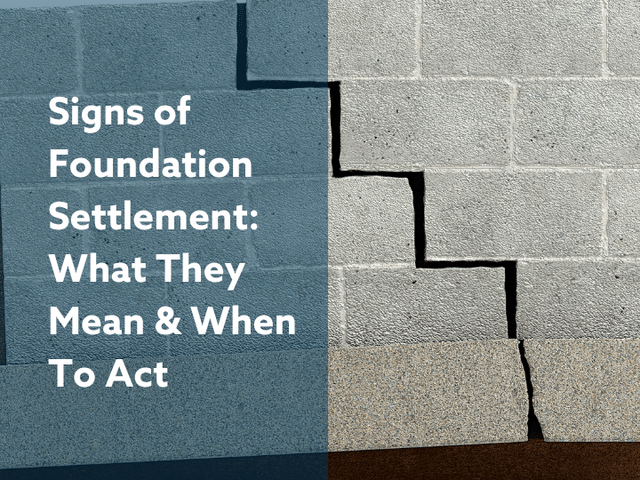
You can often spot settlement by looking for specific clues around your house. One clear sign is stair-step cracks in your brick or stone walls. You might also notice that doors and windows start to stick or become hard to open. These issues happen because the frame of the house is no longer level. Gaps between the walls and the ceiling are another common sign.
It is wise to watch for uneven or sloping floors as well. These signs often point to differential settlement, meaning different parts of your base are sinking at different rates. When one corner drops faster than the rest, it puts great stress on your home. Catching these signs early can help you avoid more costly work later.
What Is Foundation Heave?
Bottom line: Foundation heave is upward movement caused by expansive clay soils that swell when there is excess moisture or trapped water freezes and then expands. This issue is common in the Midwest and often requires moisture control rather than piering to fix.
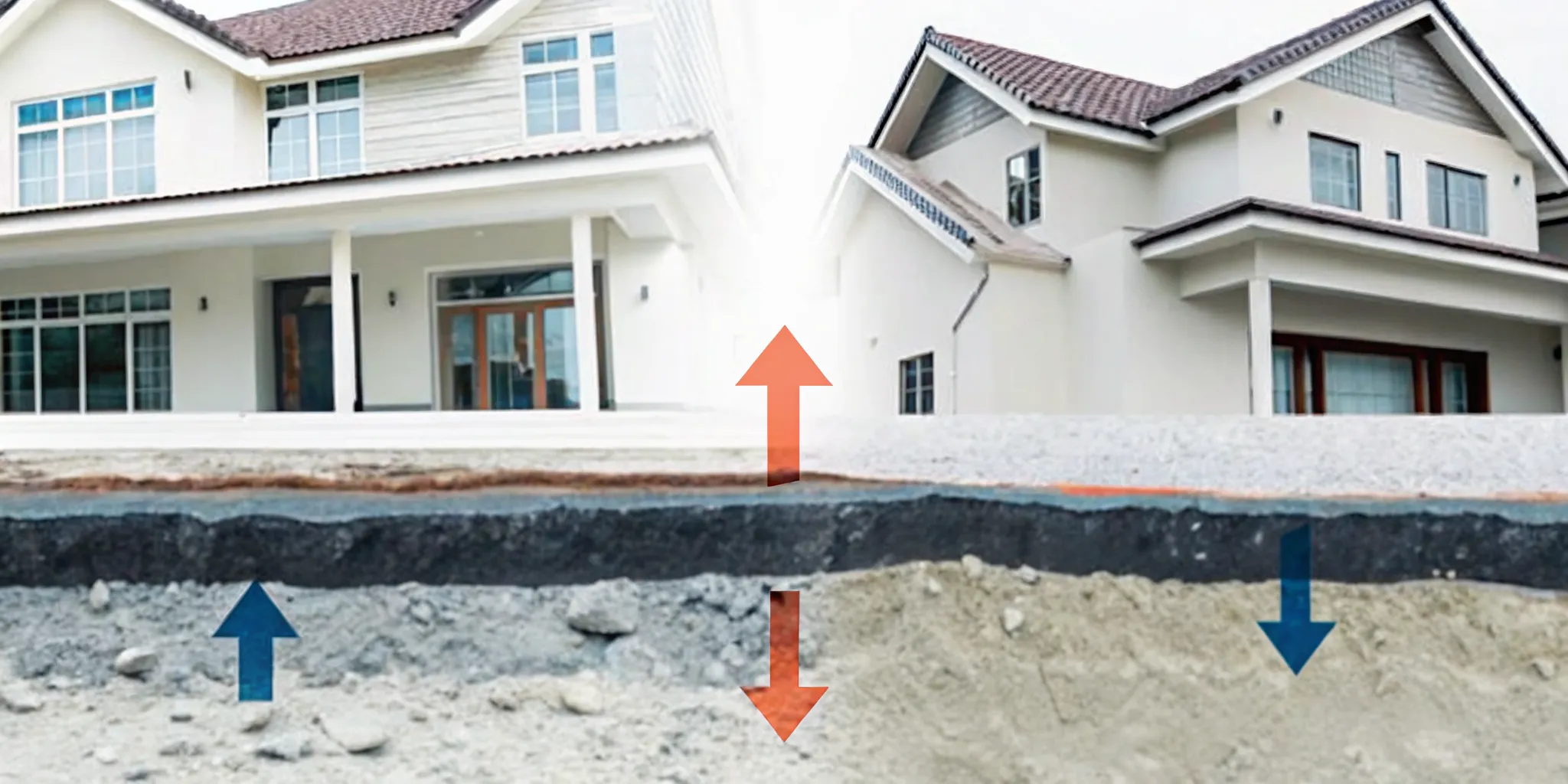
Foundation heave is the upward movement of your home foundation. It happens when the soil under your house grows in size. This growth pushes the floor and walls up. While many people worry about a house sinking, heave is the opposite. It is a common result of foundation soil problems in the Midwest where clay is regularly found.
How Soil Expansion Works
In many parts of the Midwest, the soil has a high amount of clay. Clay acts like a sponge. When it gets wet from heavy rain or poor drainage, it grows. This soil expansion puts a lot of pressure on your home. The ground has nowhere to go but up, so it lifts your foundation with it. This can happen even if your home was built well.
Frost Heave and Spring Thaw
Cold weather also causes foundation heave. During winter, water in the soil can freeze. As it turns to ice, it grows in size. The USGS says frost heave happens when freezing temps cause soil moisture under the home to freeze and expand. In the Midwest, the spring thaw is a high risk time. As the ice melts and rain falls, the soil gets very wet and swells even more.
Warning Signs of Foundation Heave
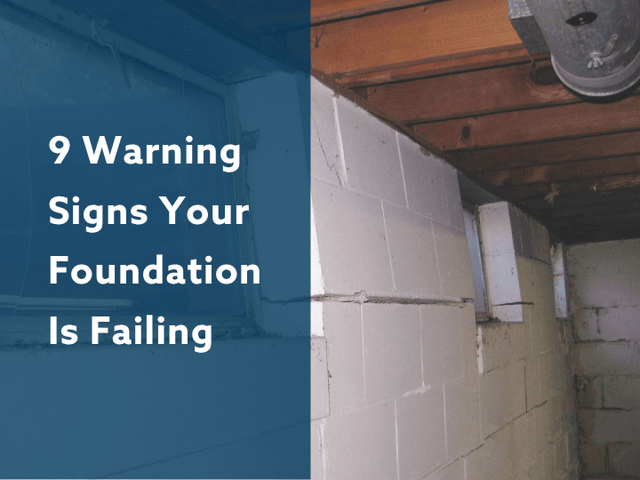
Heave shows up in ways that look like other home issues. You might notice doors that stick or will not close right. This happens because the frame is pushed out of square. You may also see horizontal cracks in your basement walls. These cracks often mean there is too much pressure from the soil. Other signs include floors that buckle or kitchen cabinets that pull away from the wall. If you see these signs, it is time to get a pro to look at your foundation.
Foundation Heave vs Settlement: Key Differences at a Glance
Bottom line: Settlement makes your home sink and is shown with stair-step cracks and sloping floors. Heave pushes your home up is revealed through horizontal cracks and buckled floors. The right diagnosis determines whether you need piers or moisture control.
Homeowners often see a crack in a wall and assume the house is sinking. While sinking, or settlement, is a common issue, the problem could also be heave. Both cause structural damage, but they move the house in opposite directions. Foundation settlement occurs when soil compresses or erodes, which causes the base of your home to sink. In contrast, heave happens when soil expands and pushes the structure upward.
Comparing Movement and Causes
The main difference lies in the direction of the force. Settlement is a downward motion often caused by drought or poor soil compaction. Heave is an upward force. It usually happens in the Midwest due to expansive clay soils that swell when they get wet. Freezing temperatures can also cause frost heave as moisture in the soil turns to ice and expands. Knowing which force is at work is the first step toward a permanent fix.
Factor |
Settlement |
Heave |
|---|---|---|
| Direction | Downward sinking | Upward lifting |
| Primary cause | Soil shrinkage or erosion | Soil expansion or freezing |
| Crack patterns | Vertical stair-step cracks | Horizontal wall cracks |
| Door symptoms | Stick at top or drag | Won't latch or stick at sides |
| Floor behavior | Slopes or sags | Buckles or crowns |
| Timing | Worse during dry spells | Worse after heavy rain |
Why the Right Diagnosis Matters
Identifying the correct movement type is vital because the repair methods differ. Using the wrong fix can sometimes make the problem worse. For example, piering solutions for foundation settlement work by reaching stable soil or bedrock to stop sinking. However, if your home is heaving, you may need moisture control or soil stabilization instead. A professional check ensures you choose a repair that protects your home value and safety.
Why Midwest Homes Are at Risk for Both Settlement and Heave
Bottom line: Expansive clay soils, freeze-thaw cycles, and heavy spring rains make Midwest homes vulnerable to both settlement and heave. Understanding these local factors helps you catch problems early.
Midwest homeowners face a unique set of troubles when it comes to foundation health. The local weather and soil create a cycle that makes understanding the difference between foundation heave vs settlement more than a simple test. In states like Nebraska, Kansas, Iowa, and Missouri, the ground is rarely still. This non-stop movement puts stress on your home's frame. Since 1975, Thrasher has helped local families deal with these difficult issues. Our team sees how local factors lead to both sinking and lifting foundations every day.
The Role of Swelling Clay Soils
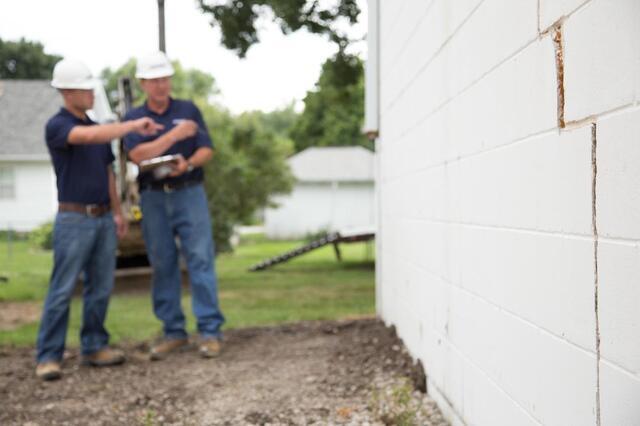
One of the biggest risks comes from the ground itself. The Midwest is full of clay soils that cover much of the region. These soils change in size based on how much water they hold. Per the USDA, clay soils shrink when dry and swell when wet. This trait leads to many foundation soil problems in the Midwest. When the soil gets wet, it can push up with great force. When it dries out, it shrinks and leaves gaps under your home.
The amount of clay in your soil matters a lot. Research shows that clay content is a top factor in how much a foundation moves. High clay levels mean the soil acts like a giant sponge. During a drought, this sponge dries out and pulls away from your footings. This causes the house to settle or sink. During a wet season, the soil expands and pushes the house up. This back and forth motion can crack walls and jam doors.
Freeze-Thaw Cycles and Frost Heave
The harsh winters in the Midwest also play a major part in foundation damage. Freezing temps lead to a process called frost heave. The USGS states that water in the soil can freeze and expand. This growth pushes foundations upward from the bottom. Many older homes built between 1960 and 1990 were not always built to modern codes. They may have footings that do not sit deep enough in the ground.
These shallow foundations face a higher risk because they sit above the frost line. When the ground freezes deep, the ice in the soil lifts the house. This is a common cause of heave in our region. When the soil thaws in the spring, it often loses its strength. This can lead to settlement as the house sinks back down. This cycle of lifting and sinking happens every year, slowly weakens the home's base.
Hydrostatic Pressure and Groundwater
Groundwater is the final piece of the puzzle. In the spring, heavy rains and melting snow fill the ground with water. This water puts a lot of weight on your home. This is called hydrostatic pressure. This force pushes against your basement walls and floor. Per the NRCS, this pressure can make foundation issues much worse. It adds to the stress from both heave and settlement.
Excess water can also wash away the soil that supports your home. When the ground loses its shape, your foundation has nowhere to rest. This leads to sinking in some spots and lifting in others. Because these forces work at the same time, it can be hard to know which one is at work. Thrasher offers free inspections to help you find the source of the movement. Our family-owned team knows the local soils and how to protect your home for the long term.
How to Tell What Your Foundation Is Doing
Bottom line: Check crack patterns, door behavior, and floor shape to tell if you have settlement or heave. A six-step checklist helps you track active movement before calling a professional.
You may see cracks in your walls or doors that will not latch, but it is hard to know why. The difference between foundation heave vs settlement often comes down to the way the house moves. Homeowners in the Midwest deal with clay that grows when wet and shrinks when dry. You can look for a few key clues to see if your home is sinking or being pushed up by the soil.
Check Crack Patterns
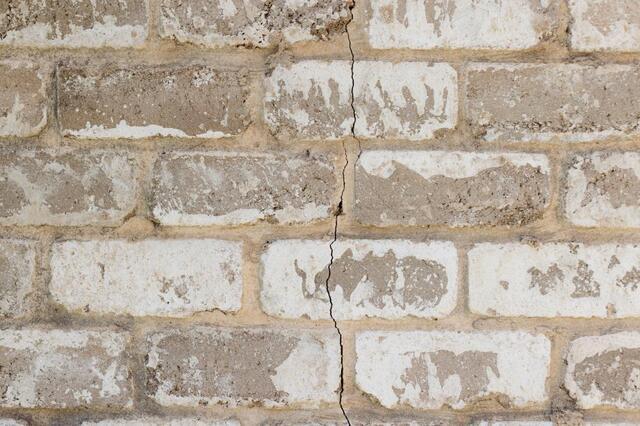
The shape of a crack tells a story about the soil under your home. Vertical cracks often mean one part of your house is sinking faster than the rest. This is a common sign of foundation settlement. If you see horizontal cracks in your basement walls, it often shows that soil is pushing inward or upward. According to the U.S. Geological Survey (USGS), this pressure often comes from soil that swells when it gets wet.
Test Doors and Windows
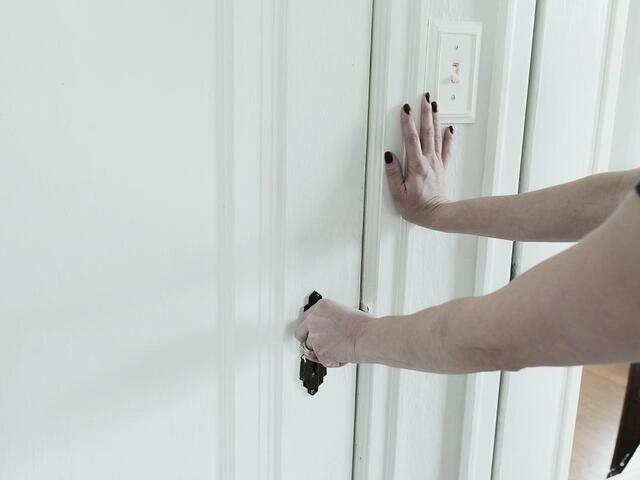
Foundation movement changes how your home sits. When a house settles, doors often stick at the top or pull away from the frame. If your home has heave, the floor may push up and make the door frame tight at the sides. Both issues make it hard to use your windows. Since these signs can look alike, a pro can help you find the root cause of your foundation soil problems.
- Look at the cracks. Check the brick for stair-step cracks or vertical breaks. These usually point to settlement. Horizontal cracks in the basement are more likely to be a sign of heave.
- Try your doors. Pay close attention to where they stick. Settlement often makes doors rub at the top. Heave can make them jam at the side or not latch at all because the frame is out of square.
- Watch your floors. Sloping or sagging floors are common with settlement. If a floor looks like it is crowning or buckling in the center, the soil may be pushing it up from below.
- Check the weather. Settlement often gets worse during a dry summer when soil shrinks. Heave is most common after heavy rains or a spring thaw when the clay is full of water.
- Watch for changes. Put a mark at the end of a crack and check it in a month. If the crack grows or changes shape, you have active movement that needs a fix.
- Get a pro check. A trained eye can tell the difference between these movements. Schedule a free foundation inspection to get a clear path to a fix that will last.
Follow the Clues
Small changes in your home often point to big shifts in the soil. While some cracks may seem small, they can lead to big repairs if you wait too long. Tracking these signs helps you catch problems before they hurt your home's value or safety. The Environmental Protection Agency (EPA) notes that keeping water away from your foundation is a key step in stopping both types of movem
ent. If you see these signs, a pro can help you find the best way to keep your home stable.
Professional Repair for Foundation Settlement and Foundation Heave
Bottom line: Settlement needs steel piers to reach stable soil. Heave needs moisture control, drainage, and soil management. A professional inspection is the only way to know which repair your home needs.
Finding out if you have foundation heave vs settlement is the first step to a fix. These two problems look the same but have opposite causes. Because of this, repair paths change based on if your home is lifting or sinking. The wrong fix can waste money or even hurt the house more. An expert check is needed to find the right path for your home.
Fixing Foundation Settlement with Piers
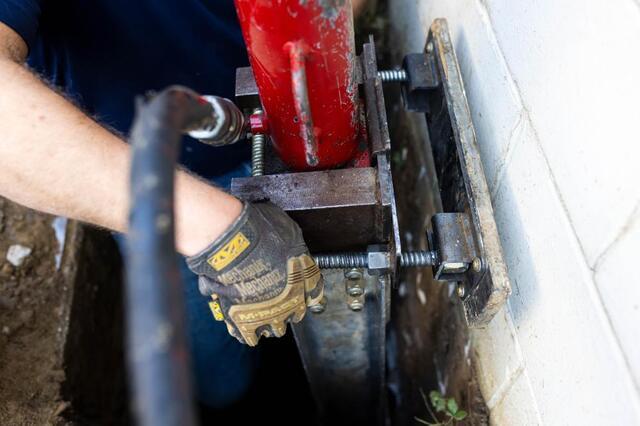
When a home sinks, it needs new support from below. Most pros use steel piers to fix this. These piering solutions move the weight of the house to deep, firm soil. Push piers use the weight of the home to drive steel tubes into the earth. Helical piers have blades like a screw and are turned into the ground. Both types stop the house from sinking more.
The goal is to reach deep soil that does not shift. These foundation repair steps give the house a solid base. In many cases, piers can lift the home back to its old spot. This fix can close wall cracks and help doors open and close as they should. It is a long-term way to stop settlement for good.
Managing Water to Stop Foundation Heave
Heave repair focuses on the soil around the house. Since heave comes from wet soil that grows, the goal is to keep things dry. Keeping the soil moisture steady stops the force that pushes walls up. This often starts with better drainage and waterproofing like new gutters and downspout extensions. If water does not soak the ground near the house, the clay soil stays still.
In some big cases, pros use soil tools to change how the earth acts with water. If the heave has broken walls, you might need steel braces or new walls. These fixes help fix the home and stop the soil from pushing again. Good water care is the best way to stop heave in the Midwest.
The Value of an Expert Check
You should not guess which issue your home has. Both heave and settlement cause cracks, but the fix for one will fail for the other. For example, piers on a heaving home may not stop the soil from pushing up. A foundation repair services pro will use level tools to find the truth. They will see if the soil is pushing up or if the house is going down. This helps you get the right fix the first time. Contact Thrasher today to schedule your free inspection and get a diagnosis you can trust.
Frequently Asked Questions
1. How far should downspouts extend from a foundation?
Gutters and downspouts should carry water at least five to ten feet away from your home. This helps keep the soil moisture levels stable around the base of your house. According to the EPA, proper water drainage is a key step in stopping both foundation heave and settlement. Moving water away prevents the ground from swelling or shrinking too much.
2. Do trees near a house cause foundation settlement?
Large trees planted too close to your home can lead to foundation sinking. Their roots pull large amounts of water from the dirt, which causes the soil to shrink. As the ground dries out and gets smaller, the foundation may start to drop. The NRCS notes that this type of moisture loss is a common cause of settlement in many areas.
3. When is the risk for frost heave highest?
The risk for frost heave is usually highest during the spring thaw in the Midwest. At this time, the soil is very wet and goes through many freeze-thaw cycles. Freezing water in the ground pushes upward with great force. Data from the USGS shows that foundations are at risk if moisture beneath the footing freezes and grows in size.
4. Does foundation depth affect the risk of heave?
Yes, the depth of your foundation plays a big role in its safety. Foundations that are not deep enough are at a much higher risk for frost heave. If the base of your home does not reach below the frost line, freezing ground can push it upward. The USGS states that deeper foundations are much more stable against frost-related damage.
5. Can you have both foundation heave and settlement at the same time?
Yes, it is possible for a home to experience both heave and settlement in different areas. One corner of the foundation may sink while another lifts due to uneven soil moisture or varying soil conditions. This differential movement puts extra stress on the structure. A professional inspection using laser levels and soil analysis can identify whether your home is dealing with one or both issues.
Schedule Your Free Foundation Inspection Today
Do not guess whether your home is sinking or lifting. The wrong repair for foundation heave vs settlement can cost you time and money. Thrasher has been diagnosing and repairing foundations across the Midwest since 1975. Our family-owned team brings nearly 50 years of experience and tens of thousands of satisfied homeowners to every inspection.
Get the clarity you need to protect your home. Schedule your free foundation inspection today and let our experts give you a diagnosis you can trust.
Article Categories: