Basement Dehumidifier Guide: Humidity Control for a Dry, Healthy Home
A basement dehumidifier guide helps homeowners tell the difference between basic waterproofing and advanced systems that control air moisture to prevent mold and protect their trusted family home. Managing dampness protects your property from the effects of the Midwest's heavy clay soils, which often hold water against your foundation and cause humidity levels to rise. While retail units fail in cold basements, a professional-grade dehumidifier provides high-capacity moisture removal and the long-term peace of mind that every homeowner in our region needs. According to the EPA, the key to mold control is effective moisture control, which starts with keeping your indoor humidity at a safe, steady, and healthy level.
Basement Dehumidifier Guide: Why Basement Humidity Is a Serious Problem for Midwest Homeowners
Homeowners in states like Nebraska, Iowa, and Kansas often face unique challenges. One major issue is basement humidity. In the Midwest, wet basements are not just about rain. The land around your home plays a part. This is why a basement dehumidifier guide is helpful for local families.
The Role of Midwest Soil and Weather
Our region has thick clay soils that hold onto water. When this soil gets wet, it swells. When it dries, it shrinks. These basement waterproofing solutions help fix the stress this puts on your walls. Freeze-thaw cycles also make the problem worse. They create small gaps where water can enter. These local factors mean your basement is often at risk of taking in moisture from the ground.
How the Stack Effect Works
Humidity does not just sit in your basement. It moves up through your home. This is called the stack effect. As warm air rises and exits through your attic, it pulls damp air up from the basement. This movement spreads musty odors and mold spores into your main living rooms. It can also make your air unit work much harder. That leads to higher energy bills during hot Midwest summers.
The Risk of Mold and Rot
The key to mold control is moisture control. When basement air stays damp, mold can grow on wood and drywall. You must dry any water-damaged areas within 24 to 48 hours to stop mold from starting. In older homes, this dampness often leads to wood rot in floor joists. Keeping the air dry is the best way to protect your home and your health.
Do You Need a Dehumidifier or Basement Waterproofing?
Homeowners often see a wet wall or smell a musty odor and wonder how to fix the issue. The answer depends on if the problem is damp air or water moving through the walls. Thrasher makes a clear split between basic waterproofing and advanced humidity control (F010). Both steps work together to keep your home dry and safe.
Find the Source of Basement Moisture
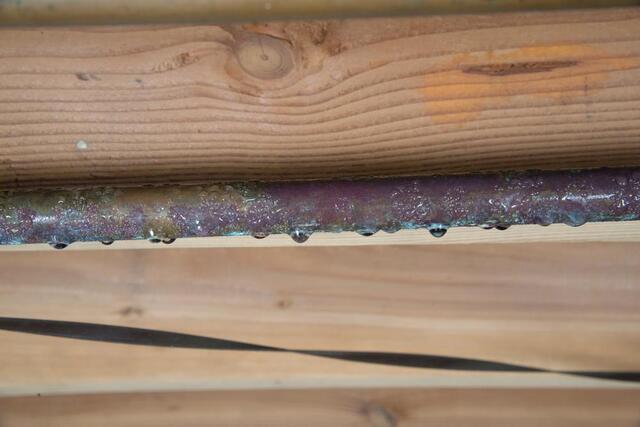
Dampness in a basement often comes from air humidity or water leaks. Humidity shows up as water on pipes or a heavy feel in the air. This often leads to mold growth and musty odors that are common in older Midwest homes (F006). If you see beads of water on cold surfaces, a basement dehumidifier guide can help you dry the air.
Active water leaks are a big problem that needs structural fixes. This happens when water moves through cracks in the foundation or up through the floor. The EPA notes that water in the basement often comes from a lack of gutters or water flow toward the house (F022). In these cases, you need more than just a way to dry the air.
Compare Your Fix Options
Choosing the right tool saves you time and money. A dehumidifier is best for light dampness and smell. But it will not stop water from coming through the walls during a heavy rain. You may need basement waterproofing solutions to keep the space dry for your family.
Sign or Symptom |
Dehumidifier Solution |
Waterproofing Solution |
|---|---|---|
| Musty Odors | Removes smells from air | Stops the source of dampness |
| Wet Pipe Sweating | Lowers air moisture levels | Not usually needed |
| Cracked Walls | Will not fix cracks | Seals and repairs structure |
| Standing Water | Cannot pump out water | Uses drains and sump pumps |
| White Salt Stains | Slows salt buildup | Blocks water from entering |
When to Call a Professional
If you are not sure where the water is coming from, you should get help. Ways to control moisture range from simple landscaping to deep digging and structural work (F029). Making sure the ground slopes away from the home is a key step to stop water from entering from the outside (F020). A pro can check your foundation and find the best path for your home.
What Is the Ideal Humidity Level for Your Basement?
Finding the right balance for the air in your home can be hard. You want a basement that feels dry but not parched. A good basement dehumidifier guide starts with a clear target. Most experts agree on one key goal. You should keep your basement at a relative humidity level between 40% and 55%.
1. Targeting the 40% to 55% Range
Staying in this range helps you stay at ease while guarding your home. As shown by the EPA, managing moisture is the key first step to stop mold. When the air stays below 55%, mold has a much harder time growing on your walls. It also keeps your stored boxes and books safe from damp air.
This range is also best for your health. Air that is too damp can feel heavy and smell bad. By keeping the level under 55%, you can stop musty smells before they start. It also helps your cooling system work well during hot Midwest summers. Removing excess moisture often leads to maintaining a dry basement that feels fresh all year long.
Relative humidity tells you how much water is in the air compared to what it can hold. In the Midwest, this level can change fast. Heavy clay soils and big rain storms can push lots of water toward your walls. This makes a steady target even more vital for your peace of mind.
2. Risks of Dry or Humid Air
Going outside this ideal range can lead to real harm. If the air gets too damp, you risk mold growth and wood rot. But air that is too dry is also a threat. When the level drops below 40%, it can cause damage to wood furniture and floors. You might notice these common signs of poor air balance:
- Wood furniture that starts to shrink, crack, or warp.
- Musty smells that linger in the basement or vents.
- Water drops or fog forming on the inside of windows.
- Damp spots on the floor or walls.
High levels also attract pests like dust mites and silverfish. These tiny guests love damp, dark spaces. Keeping a steady level helps you manage these risks. It keeps your home safe for your family and your belongings. It also helps protect the value of your house over time.
3. How to Set Your Dehumidifier
Once you find your target, you need to keep it there. Experts suggest that you keep your settings steady both day and night. This approach is the best way to hit your goal. Changing the dial often can make the machine work harder. It can also lead to swings in air quality that mold loves.
You can still save power with a few small changes. If you plan to be away for a few days, you can raise the setting to 50% or 55%. This slight increase helps save on bills while still keeping mold away. It ensures the air does not get too damp while the house is empty.
For more help, you can look into basement waterproofing solutions. These steps can address the root cause of your damp air. A pro can help you find a plan that works for your specific home and soil type.
How to Choose the Right Basement Dehumidifier
Picking the right machine for your home is the first step toward a dry basement. You must find a unit that can handle the size of your space. Most pros use a basement dehumidifier guide to match a machine's pint size to the room. A large, wet basement may need a unit that removes 70 to 100 pints of water every day.
Learn about Capacity and Sizing
Capacity is the amount of water a unit takes out in one day. If your basement feels damp or smells musty, you need a high-power system. Using dehumidifiers and air conditioners is a good way to lower indoor moisture. Small store units often run all the time without hitting your goal. This wastes power and leads to breaks.
Basement air is often cooler than the rest of your home. This makes it harder to dry. This happens because air holds less moisture as the heat drops. A good machine must be able to work in these cold spots. Look for units with a defrost tool to stop ice from growing on the coils during cold months.
Check Drainage and Tools
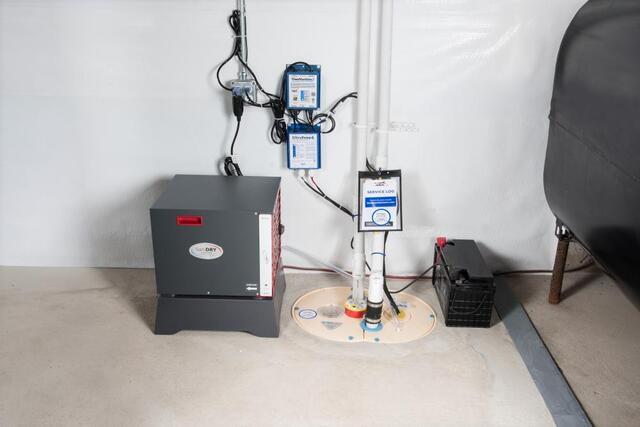
You should also think about how the water will leave the unit. Many basic models use a bucket that you must empty by hand. If the bucket gets full, the machine will shut off. Then, moisture will start to rise again. To keep your home safe, pick a system with a drain or a pump. These tools let professional-grade basement dehumidifier systems run all day without your help.
Last, look for tools that make the unit easy to use. A built-in sensor lets you set a goal level and then walk away. The machine will turn on and off by itself to keep the air right where you want it. You should also look for a high energy rating to keep your bills low. Systems that start back up after the power goes out are also very helpful.
Professional-Grade vs. Retail Dehumidifiers: What's the Difference?
When you look for a way to dry out your basement, you will find two main choices. You can buy a retail unit from a store or invest in a professional system. While they both remove water from the air, they are not the same. Retail units are often built for living rooms, but basements need more power. Picking the right tool is the first step in maintaining a dry basement all year long.
Capacity and performance in cold air
Most retail units struggle when the air gets cold. According to the EPA, air holds less moisture as its heat drops. Basements stay cool even in the summer. This causes many retail units to ice up or stop working. Professional systems are built to handle these cool spots. They keep working even when the air is chilly, which helps to stop mold growth (F005).
Built for constant humidity cycles
Basements in the Midwest face high water levels due to wet soil and clay (F006). A small retail unit often runs all day and night without stopping. This constant work can cause the motor to burn out in just a few years. Professional-grade basement dehumidifier systems use strong parts. They are built to run as much as needed to keep your air at the best level of 40% to 55% (F001).
Drainage and maintenance needs
One big difference is how the water leaves the unit. Most retail models have a small tank that you must empty by hand. If you forget to empty it, the unit shuts off, and the damp air returns. Professional units drain on their own into a sump pump or floor drain. This gives you peace of mind because you do not have to check on it every day (F026).
Feature |
Retail Dehumidifiers |
Professional Systems |
|---|---|---|
| Temperature Range | Struggles below 60 degrees | Works in cool basements |
| Water Drainage | Manual tank emptying | Automatic direct drainage |
| Durability | Plastic parts; shorter life | Strong build; heavy-duty parts |
| Daily Capacity | Low (20 to 50 pints) | High (90 or more pints) |
| Warranty | Short 1 year limit | Strong, long-term coverage |
How to Maintain Your Basement Dehumidifier
Keeping your home dry is a big task for homeowners in the Midwest. A complete basement dehumidifier guide must focus on care and upkeep to be useful. If you do not take care of your unit, it can lose its power to pull water from the air. This is a risk because local clay soils and humid summers put a lot of stress on these machines. When a unit fails, moisture builds up quickly and can lead to wood rot or mold.
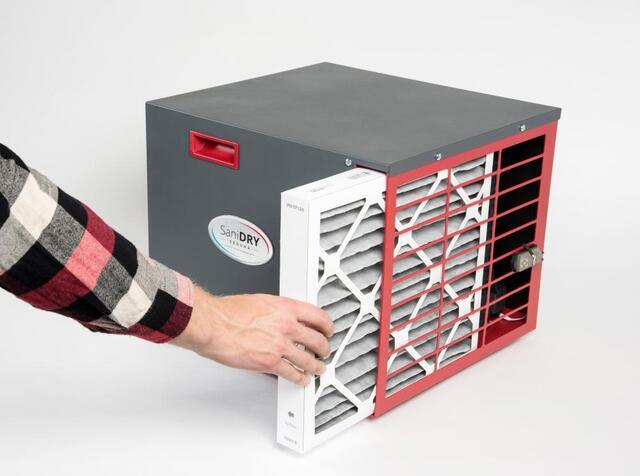
Essential Steps for Regular Care
The main goal of maintenance is to keep the air safe and clean for your family. The EPA warns that you must keep dehumidifiers clean so they do notbecome sources of mold and other pests. A clean system runs faster, stays quiet, and uses less energy each month. It also helps you stay ahead of the musty smells that are so common in older basements across our region.
- Clean the air filter often. Most units have a mesh filter that catches dust, pet hair, and dirt. You should wash it with mild soap and warm water every two to four weeks. A clogged filter makes the motor work too hard and slows down the drying process.
- Inspect the drain line for clogs. Many basement units drain water through a hose into a sump pit or floor drain. Check the line once a month to make sure it is clear of slime, mold, or dirt. If the hose gets blocked, water can back up and spill onto your basement floor.
- Check the metal coils for dust. Over time, dust can build up on the cooling coils inside the machine. Use a soft brush or a vacuum with a wand to gently clean them off. Clean coils help the machine pull moisture from the damp air much more easily.
- Wipe down the outer case and vents. Dust the outside of the machine to prevent dirt from being sucked into the vents. Use a damp cloth to remove any grime or stains from the plastic or metal. This simple task keeps the internal parts cleaner for a longer time.
- Adjust your settings for the seasons. In the hot Midwest summer, your unit will work hard to fight high humidity. During the winter, you might need to turn the setting down so the air does not get too dry. Steady settings help protect your wood floors and wood furniture from damage.
Signs Your Unit Needs Service
Even with good care, your machine might run into trouble that you cannot fix on your own. You should look for signs like frost on the coils or a unit that runs all the time but does not lower the humidity. If the machine makes loud or strange noises, it could mean the motor is starting to fail. Heavy duty units are built to last, but they still need a pro to check the coolant levels from time to time.
Sometimes, a heavy rain or a leak can put too much stress on your basement. If water gets into your home, you must act as fast as you can. Experts at the EPA state that you should dry water-damaged areas within 24 to 48 hours to stop mold from growing. Your dehumidifier is a vital tool in this race to protect your home and your health.
For more help with your home, you can read our advice on maintaining a dry basement during every season. If your unit seems to struggle even after a deep clean, it might be time to look at a new professional-grade system. Regular care gives you peace of mind and keeps your basement healthy for years to come.
Signs Your Basement Needs More Than a Dehumidifier
A basement dehumidifier guide helps you manage air moisture, but some problems start outside your walls. If you smell a musty odor, you likely have excess humidity and mold growth. A machine can pull water from the air, but it cannot stop water from leaking through your foundation. You must look for signs that your home needs a full waterproofing plan.
Visible Water and Wall Damage
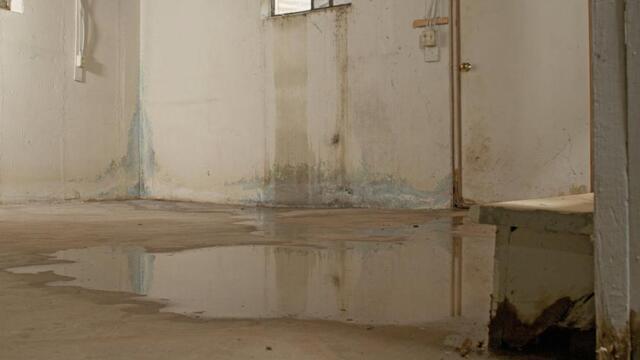
Standing water after a heavy rain is a clear sign of a big issue. This often happens because of missing gutters or poor water flow toward your home. You might also see white, crusty dust on your walls called efflorescence. These salt deposits show that water is moving through the concrete. If you see bowing walls or large cracks, a dehumidifier will not fix the structural risk.
Damp Air and Crawl Space Issues
If your basement still feels damp after running a large unit, the moisture source is too big for one machine. In homes with crawl spaces, moisture often rises from the dirt floor. You may need a plastic cover to block this dampness. Fixing these issues is key to maintaining a dry basement all year long.
External Drainage Problems
Foundation health often depends on how you manage the yard. Ground that slopes toward your house pushes water against the walls. Fixing this might require better landscaping or excavation to keep the basement dry. These fixes range from simple tasks to deep digging. If you see these signs, you should schedule your free inspection to find a permanent fix.
Frequently Asked Questions
1. Should I run a basement dehumidifier day and night?
Experts suggest keeping your basement dehumidifier settings the same both day and night. This helps keep a steady humidity level and stops moisture from building up when it is cool at night. Regular use is the best way to keep mold from growing and to protect your home. According to Thrasher, staying consistent ensures your basement air stays dry and safe around the clock.
2. Why does my basement feel clammy even with a dehumidifier?
If your basement feels clammy, your dehumidifier may not be the right size for the space. Retail units often struggle with the low temperatures and high moisture cycles found in Midwest basements. As air temperature drops, it holds less moisture, making it harder for small units to keep up. A professional-grade system is often needed to remove enough water. You can schedule a free inspection to find the best solution for your home.
3. What setting should I use for a basement dehumidifier while away?
When you are away from home, you can slightly raise your dehumidifier setting to between 50% and 55%. This small change helps save energy while still keeping moisture levels low enough to stop mold growth. Keeping a level in this range protects your basement without running the unit more than needed. According to the EPA, using these tools is a smart way to manage indoor air and lower energy costs.
4. What happens if basement humidity falls below 40%?
If the humidity in your basement falls below 40%, the air may become too dry. Very dry air can cause damage to wood furniture, flooring, and other home items. It is best to keep your humidity level between 40% and 55% to stay safe and comfortable. According to Thrasher, this range stops mold while protecting your home from cracking or shrinking due to a lack of moisture.
# Ready To Solve Your Basement Humidity Problems? You don't have to live with a damp, musty basement. Whether you need a professional-grade dehumidifier, a full waterproofing solution, or a free inspection to find out which, Thrasher can help. Our team has been protecting Midwest homes since 1975, and we back every solution with industry-leading warranties and same-day free estimates. Schedule your free basement inspection today and take the first step toward a drier, healthier home.
Article Categories: