Sump Pump Maintenance: Keep Your Basement Dry Year-Round
Sump pumps are the first line of defense against water entering your basement during a storm. One small part failure can result in thousands of dollars in water damage. You need a simple plan to ensure your system works when you need it most.
Sump pump maintenance is a key task that ensures your basement stays dry when heavy rains hit. A complete routine must include cleaning the pit, testing the float switch, and checking the battery backup to avoid failures during power outages. By spending a few minutes each season on these simple tasks, you can prevent floods and protect your foundation from the pressure of wet Midwest clay soil. This regular care keeps your pump running for many years and provides the strong safety and peace of mind you need to keep your home and family safe.
It is far too easy to ignore your basement equipment until a heavy storm causes a major flood. You can protect your home by learning Why Sump Pump Maintenance Matters and how to spot early warning signs of failure to keep your foundation strong.
Why Sump Pump Maintenance Matters
A sump pump is the first line of defense for your basement during heavy rain or snowmelt. It sits in a pit and pumps out water before it can seep into your home. This protection is a key part of basement waterproofing systems in the Midwest. Our region has expansive clay soils that hold a lot of water. When these soils get wet, they press against your foundation walls. A reliable sump pump helps manage this pressure by keeping the water level low. Without care, your pump might fail when you need it most. This leads to water damage, mold, and costly home repairs.
Midwest Soil and Weather Risks
Midwest weather puts a heavy load on foundation systems. The freeze-thaw cycles in states like Nebraska and Kansas make the ground move. Clay soil expands when it is wet and shrinks when it is dry. This cycle can cause water to pool near your basement walls. A sump pump must be ready to work around the clock to move this water away. If you skip professional sump pump maintenance, the system can get stuck. Debris or ice can block the lines, causing the pit to overflow and ruin your floors.
The danger is highest during sudden spring thaws or summer storms. High water levels in the soil put force on your foundation. This force can cause cracks or leaks if the drainage fails. A well-kept pump works with your drain tile to keep your home safe. It moves water out of the house and away from the base of the walls. Keeping this flow clear is vital for the health of your structure. It prevents the soil from getting too heavy and pushing against the basement
Common Causes of Pump Failure
Most sump pumps fail for three main reasons: wear, power loss, or debris. Mechanical parts can break down after years of hard use. Power outages often happen during the same storms that cause flooding. This is why a battery backup is a smart part of a permanent waterproofing plan. Debris like dirt, gravel, or pet hair can also clog the intake. These small items can stop the motor or trap the float switch. Checking your pit once or twice a year can catch these issues early. It keeps your home safe and dry through every season.
Another common issue is a faulty check valve. This valve stops water from flowing back into the pit after the pump stops. If it breaks, the same water keeps falling back into the basin. This makes the pump turn on and off more than it should. This constant cycling wears out the motor and leads to an early failure. You should also check the power cord and the outlet. Many pumps use a GFCI outlet that can trip and cut the power. Making sure the plug is tight is a simple but vital step.
The Cost of Neglect
Small maintenance tasks save a lot of money over time. Most sump pumps last for about seven years. But experts note that neglecting cleaning and inspections can shorten that life. A failed pump can lead to thousands of dollars in water damage. You might have to replace carpets, drywall, and furniture. Mold can also grow quickly in a wet basement, which is hard to remove. This can lower your home value and harm the health of your family. Once mold starts, it often requires a professional crew to fix the issue safely.
Investing in proactive sump pump maintenance is a much cheaper choice. It protects your home value and gives you peace of mind when the next big storm hits. You do not want to find a foot of water in your basement in the middle of the night. A quick check of the float and a test of the pump can prevent a disaster. Keeping your basement dry preserves your legacy and keeps your home a safe place for years to come.
How Often Should You Perform Sump Pump Maintenance?
Regular care is the best way to keep your basement dry. Most pros suggest a quick check of your system every three to four months. This routine keeps the pump ready for heavy rain and melting snow. You should also book a full expert review once each year. This deep check looks for worn parts that you might miss. Keeping a firm schedule helps you find small issues before they turn into floods. In the Midwest, your pump is your first line of defense against wet soil. Heavy snow and spring rains put a lot of stress on the motor. If the unit fails during a storm, your home could face big repair costs. These routine checks give you peace of mind when the clouds turn dark.
Seasonal Timing for Your Checks
The best times for proactive sump pump maintenance are early spring and late fall. In early spring, the ground starts to thaw. This melting snow adds a lot of water to the soil very fast. You want to make sure your pump can handle this load before the first big storm hits. Late fall is also a key time for a check. As trees lose their leaves, debris can blow into your outdoor pipes. If these pipes clog, the water has nowhere to go. It will back up and force your pump to work harder. Checking the lines in the fall keeps the path clear for winter melt. This task is a simple way to protect your home. Midwest winters can be harsh on drainage lines. Frost can move the soil and shift your pipes. A check in the spring confirms that the winter cold did not crack or block your system. This timing protects your home through the wettest months of the year. It ensures your basement stays dry when the weather changes fast.
Factors that Affect How Often You Check
Several things can change how often you need to look at your pump. You may need to check your system more often if you deal with these issues:
- Frequent cycling where the pump turns on and off many times an hour.
- Older homes built between 1960 and 1990 with cast iron or clay pipes.
- Thick clay soil that holds water near your foundation walls.
- A history of basement leaks or high water tables in your yard.
Midwest yards often have thick clay soil. This soil holds water and puts pressure on your walls. If your pump runs often even when it is not raining, you have a high water table. High-use pumps in these zones need more care to avoid motor burn-out. Proactive checks keep the system running when the soil is soaked. The age of the pump is also a factor. Units over five years old are more likely to fail as parts wear down. You might notice new noises or a pump that takes longer to clear the pit. If your pump has some age, checking it more often helps you avoid a sudden failure during a storm. Last, look at the local weather. Flash floods and fast thaws are common in the plains. If you live in an area with these risks, a check every three months is vital. You should also look at your pump after any major storm. This makes sure that the float switch did not get stuck during the heavy water flow.
Spring and Fall Sump Pump Maintenance Checklist
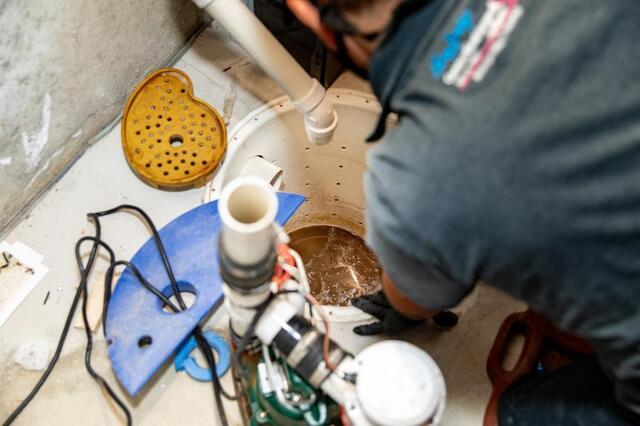
Steady care keeps your basement dry during the wet spring and fall months. A sump pump is often the first line of defense for your home when heavy rains or melting snow arrive. Many people find that checking your sump pump prevents costly water damage. Taking the time to look at your system now can save you from a big flood later.
You should test your pump twice each year to make sure it stays in good shape. Spring and fall are the best times to do this work. These seasons often bring the most water to your base. A quick check helps you find small issues before they turn into major repairs.
Clean the Basin and Screen
Dirt and small stones can clog your pump over time. This buildup makes the motor work harder and can cause it to fail when you need it most. You should look in the pit and remove any trash or mud that has settled at the bottom. A clean basin helps the water flow fast into the intake screen.
Odors are one more common issue in basement pits. You can use a simple mix of half water and half vinegar to clean the basin walls. This mix breaks down grime and keeps your basement smelling fresh without using harsh soaps. Make sure to scrub the sides of the pit where slime tends to grow.
The intake screen is where the pump pulls in water. If this screen is blocked, the pump cannot do its job. Check the screen for any bits of debris and wipe them away. This step makes sure that the pump can move water out of your home quickly.
Follow the Maintenance Checklist
Follow these steps twice a year to keep your system in top shape. You can stay ahead of problems by sticking to this simple routine. If you want a pro to handle it, you can also sign up for a proactive sump pump maintenance plan.
- Unplug the pump from the power source to stay safe while you work.
- Clean the basin with a mix of one part vinegar and one part water.
- Clear any debris or small stones from the pump intake screen.
- Look for rust on the metal parts and check the pipes for leaks.
- Plug the pump back in and lift the float switch by hand to test it.
- Test the GFCI outlet or circuit breaker if the pump does not start.
- Put the basin lid back on to keep out dirt and limit moisture in the air.
Test the Float Switch and Power
The float switch is a key part of your sump pump system. It tells the pump when the water is high enough to start the motor. You should lift the switch by hand to show the pump turns on. This simple test shows if the float can move freely without getting stuck on the pit walls.
Power issues often cause pump failure during a storm. If your pump does not run when you lift the float, check the GFCI outlet first. These outlets can trip and cut power to the unit. You should also make sure the discharge pipe is clear so water can leave your home without flowing back.
Keeping your sump basin covered is also helpful. A good lid stops dirt from falling into the pit and keeps moisture from turning into vapor. This helps keep your basement air dry and healthy. A covered pit is also safer for children and pets who might play in the basement.
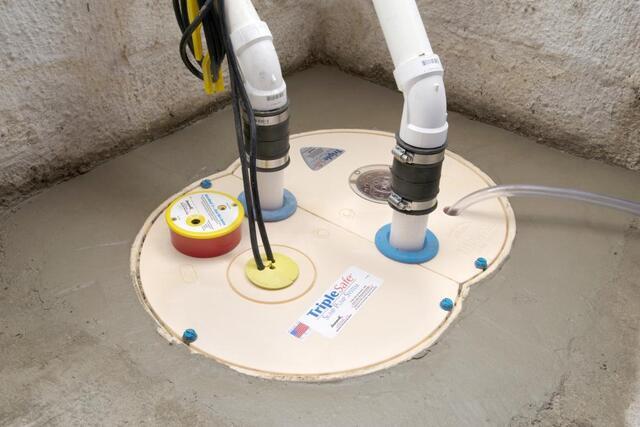
How to Test Your Sump Pump Float Switch and Battery Backup
Testing your pump is the best way to avoid a wet basement. You do not want to find a problem during a big storm. A quick check shows if your system can handle heavy rain. Start by looking at the pit for any dirt or trash that could block the pump. You should also check the power cord for any wear.
Homeowners in the Midwest face unique soil issues that put stress on these systems. Clay soils hold water and press against your home. A working pump is your first line of defense against this pressure. Regular care helps the unit last longer and work better when it counts.
aThe Five Gallon Water Test
The most real way to test your pump is to act like a storm is here. You can do this with a simple five-gallon bucket of water. Slowly pour the water into the sump pit until the pump turns on. Watch the water level to make sure the pump clears the pit fast and then shuts off. This sump pump test helps you see the unit work in real time.
If the pump does not start, check your power source first. You may need an expert sump pump service to fix the issue. A pump that fails to start during this test will likely fail during a flood. Do this check at least once every few months to keep your home safe. This simple step saves money on repairs.
aCheck Your Float Switch Type
Your pump uses a float switch to know when to run. Pedestal pumps have a motor that sits above the water. They have a float that you can see clearly on a long rod. This makes it easy for you to watch the ball float move up and down. Lifting the rod can show you if the motor is ready to start.
aPedestal vs. Submersible Sump Pump Maintenance
Feature |
Pedestal Pump |
Submersible Pump |
|---|---|---|
| Motor Location | Above the sump pit, stays dry | Inside the pit, sealed for underwater use |
| Float Switch Access | Visible on a rod, easy to inspect | Sealed switch inside the pit, harder to reach |
| Maintenance Need | Less frequent; motor stays clean | More frequent; pit debris can reach the motor seal |
| Ideal For | Homes with wide pits and low debris risk | Homes needing quiet operation and high capacity |
| Lifespan (with care) | 7 to 10 years | 5 to 7 years |
Submersible pumps work in a new way because they sit inside the pit. They use a sealed switch that is made to stay under the water. Both types need a clear path to move without hitting the pit walls. Small sump pits can cause big issues for your float switch. If your pit is less than 18 inches wide, the switch may get stuck on the wall or a pipe. Make sure the switch has plenty of room to float freely in the water.
aVerify Your Battery Backup
Power often goes out during the worst storms in our area. A standard pump will not work without power from your wall outlet. This is why a battery backup system is so helpful for local homes. It keeps your basement dry even when the lights go out. You should test the battery to make sure it holds a charge and starts the pump when needed.
Checking your battery is a key part of expert sump pump service for your home. Follow these steps to test your backup unit:
- Unplug the main pump power cord from the wall.
- Add water to the pit until the backup pump turns on.
- Listen for any odd sounds while the unit runs.
- Plug the main pump back in after the test is done.
A good system will alert you if the battery is low or if there is a problem. Replace old batteries before they fail to keep your peace of mind. Keeping these parts in good shape protects your home for years to come.
Signs Your Sump Pump Needs Repair or Replacement
Your sump pump is the most vital tool for keeping your basement dry. It works hard during heavy rains and snowmelt to move water away from your home. But like any tool, it has a short life. Most units will last about seven to ten years before they need a new unit. If you live in a place with wet soil or many storms, your pump might only last five to seven years. Knowing when to fix or swap your unit can save you from a big flood.
U Knowing the Lifespan of Your Pump
Age is one of the most common reasons for pump failure. If your unit is more than seven years old, you should start to watch it closely. It is a good idea to have a backup unit ready to go if your current pump is getting old. This way, you can keep your home safe if the main pump stops working during a storm. Midwest homes often face wet soil and freeze-thaw cycles that put extra stress on these systems. A well-timed check-up can help you find small issues before they turn into major leaks.
U Common Warning Signs of Failure
You can often hear or see when a pump starts to fail. Watch for these common red flags during your normal care checks:
- Strange Noises: If you hear thumping, grinding, or loud rattles, the motor or impeller may be hurt.
- Constant Cycling: A pump that turns on and off every few seconds is "short cycling." This can be caused by a faulty check valve that lets water flow back into the pit.
- Running Too Long: If the pump runs for a long time without clearing the water, it may be too small or clogged with debris.
- Rust and Wear: Visible rust on the pump body or pipes shows that the unit is breaking down from old age.
- Too Much Shaking: A pump that shakes a lot when it runs can have a bent or damaged impeller.
Frequent cycling is a big problem for many people. When a check valve fails, water in the pipe falls back into the pit as soon as the pump stops. This makes the pump turn back on almost right away to clear the same water again. This backflow puts a lot of stress on the motor and can cut its life short. Checking your valve is a key part of good sump pump maintenance and can help you avoid a total system failure.
U When to Call an Expert.
Some small tasks like clearing debris are easy for you to do. But when there are many signs of wear, it is necessary for an expert to look at them. If your pump smells like it is burning or trips your circuit breaker often, you should call for help. A trained expert can test your system and see if it is still the right size for your home. As water levels change, an old pump may no longer be strong enough to keep up with the flow. If your pump istoo small, it will run all the time and wear out fast. Choosing a new unit that is the right size will keep your basement safe for a long time. You can also look into a proactive sump pump maintenance plan to stay ahead of any issues.

Maintaining Your Sump Pump Discharge Line and Check Valve
Your sump pump only does half the job by lifting water out of the sump pit. The discharge line and check valve must handle the rest. If these parts fail, the water your pump just moved could flow right back into your basement. Regular sump pump maintenance must include a close look at the exit path to keep your home dry.
Preventing Backflow with the Check Valve
A check valve is a small but vital part of your discharge pipe. Its main job is to act as a one-way street for water. When the pump shuts off, the check valve stops water in the pipe from falling back into the pit. Without a working valve, the pump has to move the same water twice. This leads to frequent cycles, which can wear out the motor fast. During your check, listen for a soft thud when the pump stops. This sound usually means the valve is closing as it should.
Clearing Discharge Pipe Blocks
The discharge line must stay clear so water can flow out without help. Debris like leaves, dirt, or small stones can clog the pipe over time. You should check the end of the line outside your home to ensure nothing blocks the exit. It is also wise to inspect the discharge pipe for any leaks or loose joints. A break in the line could dump water right next to your foundation walls. This defeats the goal of the entire system.
Managing Midwest Freeze Risks
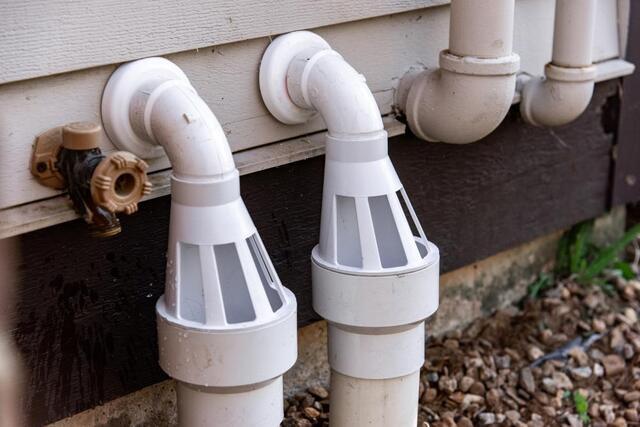
Homeowners in the Midwest face a unique test with frozen lines. When temperatures swing, ice can build up inside the discharge pipe. A frozen pipe acts like a plug, leaving the water with nowhere to go. If the pump keeps running against a block, it may overheat and fail. You can help prevent this by making sure the line slopes away from the house so water does not sit and freeze. Some systems also use a special opening near the wall to give water an escape path if the main line freezes.
Directing Water Away From the House
Where the water ends up is just as important as how it gets there. You must direct the discharge water away from the foundation to stop it from soaking back into the soil. If the exit point is too close, the water will just seep back down to your drain tiles and return to the sump pit. This creates a loop that keeps your pump running non-stop. Aim to have the water drain at least ten feet away from your home. Try to find a spot with a slope or good drainage.
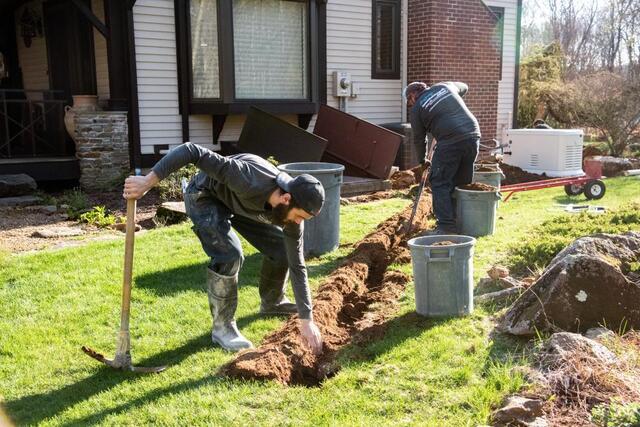
Winterizing Your Sump Pump: Preparing for Freeze-Thaw Season
Prevent Frozen Discharge Lines
Midwest winters bring harsh freeze-thaw cycles that put stress on your basement. One of the biggest risks during this time is a frozen discharge line. If the pipe that carries water away from your home freezes, the pump cannot do its job. You should inspect the discharge pipe often to make sure it is not blocked by ice or snow. A clogged line can cause the pump to work too hard and fail right when you need it most.
To avoid this, make sure your discharge line is sloped so water drains out fast. Standing water in the pipe will turn to ice when the air gets cold. You may also want to use an ice guard or a similar tool. These allow water to escape even if the end of the line is buried in snow or ice. This small step is a key part of proactive sump pump maintenance that protects your home all winter long.
Manage Snowmelt and Drainage
Spring is not the only time for water issues. Warm spells in winter can cause rapid snowmelt that floods your sump pit. To keep your pump from running non-stop, you must manage how water moves around your home. Keep your gutters and downspouts clear of ice and debris so they can direct water away from the house. Failing to slope the ground away from the house is a common cause of basement moisture issues.
You should also check where your sump pump sends its water. The discharge pipe must lead well away from the house. If water pools too close to your walls, it can seep back into the soil and re-enter your sump pit. This creates a loop that wastes power and puts extra wear on your system. By moving water far from your walls, you reduce the risk of ice dams and soil pressure that can damage your basement.
Test and Protect Your Power Supply
Winter storms often cause power loss that leaves your home at risk. Since a sump pump needs power, a storm can shut down your main defense. A battery backup system is the best way to keep your basement dry during a blackout. These systems take over when the main power fails. They give you peace of mind during heavy snow or ice storms. You should test your backup battery now to ensure it holds a full charge before the first big freeze.
Testing your pump is simple and should be done before any major weather event. You can test the system by hand by raising the float switch to see if the pump turns on. This confirms that the switch is not stuck and the motor is ready to run. Regular sump pump maintenance ensures that your system stays in top shape. If you find any issues during your test, it is better to fix them now than to deal with a flooded basement during a winter thaw.
Frequently Asked Questions
1. Should I clean my sump pump basin?
Yes, you should clean your basin at least once a year. Debris like dirt and small stones can build up in the pit over time. This waste can clog the pump intake or stop the float switch from moving. Thrasher says that keeping the basin clear helps the pump work well and prevents failure. You should also keep a cover on the pit. This stops new debris from falling in and helps control basement moisture.
2. Why is my sump pump making noise?
Loud noises often mean there is a part failure or a clog. A grinding sound may show that the motor is worn out or that something is stuck in the pump. If you hear a loud thud when the pump stops, the check valve might be failing. Thrasher notes that fast cycles can also cause extra noise. It is best to have an expert look at any new sounds. This helps you avoid a wet basement.
3. How many years does a sump pump last?
Most sump pumps last between seven and ten years. The life of your pump depends on how often it runs. Units that work hard every day might only last five to seven years. By taking good care of the system, you can get the most life out of your unit. If your pump is old, you should have a backup unit ready. This keeps your home safe if the main pump fails during a storm.
4. How do I maintain a sump pump discharge pipe?
You should check your discharge pipe for blocks or ice often. In the Midwest, frozen lines are a common problem that can stop water from leaving your home. Make sure the pipe directs water far away from your house. This stops the same water from flowing back into your pit. Thrasher says to do checks often to ensure the pipe is clear. A blocked pipe can cause the pump to fail or burn out.
5. Do I need a battery backup for my sump pump?
A battery backup is a very smart tool for any homeowner. Main pumps run on power from your home. If a storm causes a power outage, your pump will stop working right when you need it most. A backup system ensures that your basement stays dry even when the lights go out. Thrasher says these systems provide vital safety. They give you peace of mind during the heavy rains common in the Midwest.
Ready to protect your home with a free sump pump inspection?
If you wait until the next heavy storm to check your pump, you might find water in your basement that ruins your home walls. This type of flood leads to the growth of mold and will cost you a lot of money and time to clean up later on. You do not want to deal with the smell and damage that comes from a wet floor after a big rain in the Midwest. By booking a free checkup this week, you can find small issues now and ensure your waterproofing system is ready for every big storm. Peace of mind comes from knowing your pump is ready to work when the heavy rains and big storms arrive at your front door.
Ready to set up your care? Call 800-827-0702 to schedule a free sump pump inspection.
Article Categories: