9 Warning Signs Your Foundation Is Failing
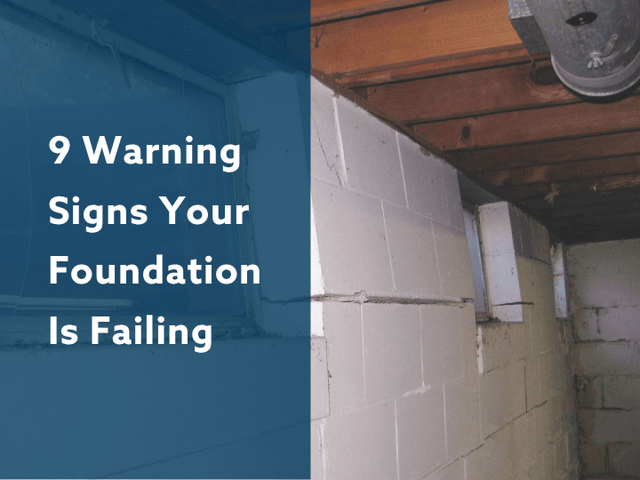
Soil and weather changes, and it's normal for Midwest homes respond to it. So a new crack or sticking door isn't automatically an emergency.
Freeze-thaw cycles, expansive clay, moisture swings, and normal settling can all change how a house feels from season to season. The key is noticing whether symptoms are isolated, repeating, or getting worse.
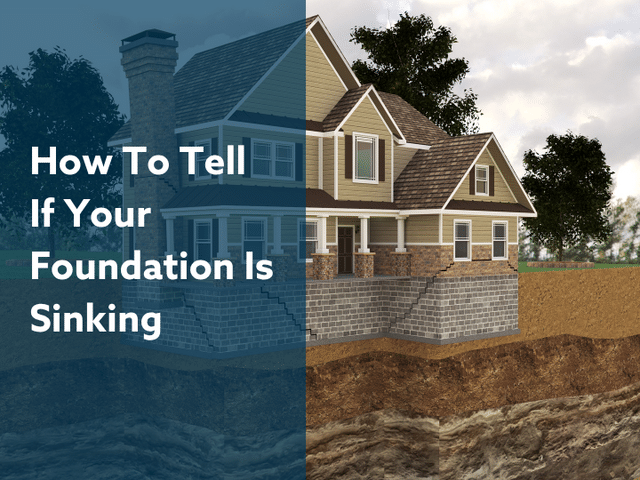
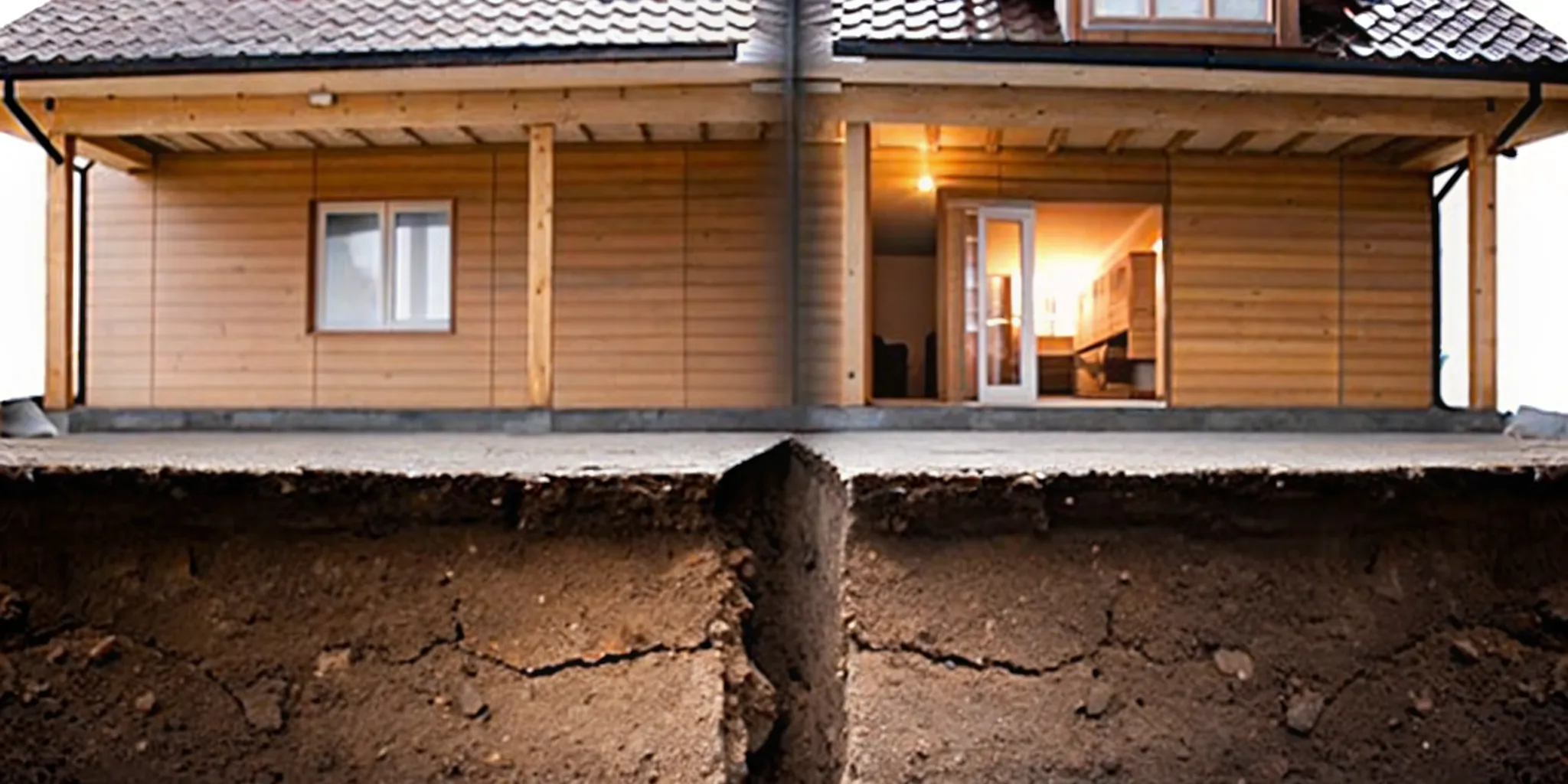
Signs your foundation is failing can include multiple or worsening cracks, sloping floors, misaligned doors and windows, bowing walls, exterior gaps, or recurring water intrusion. No single symptom proves foundation failure, but a pattern deserves careful evaluation rather than guesswork.
This guide focuses on the more useful homeowner question: whether several changes are forming a progressing pattern and how urgently to respond. It is not a remote diagnosis or a replacement for an inspection.
How to recognize signs your foundation is failing as a pattern
Interior warning signs include sticking doors or windows, uneven floors, and cracks that widen or appear with other symptoms.
These signs can be associated with foundation movement, but one symptom alone does not diagnose a failing foundation. Look for change over time, repeated patterns, or several symptoms affecting the same area of your home.
Doors and windows that change how they operate
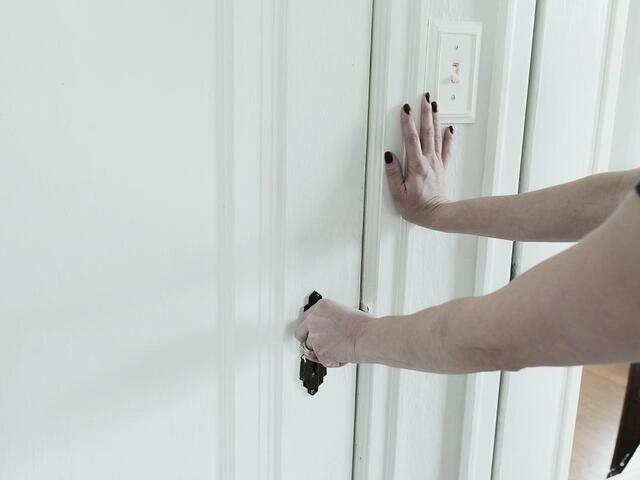
A door that suddenly sticks, no longer latches, swings open by itself, or appears out of alignment may reflect movement in the surrounding structure. Windows may become harder to open, close, or lock. In some cases, ordinary humidity, swollen wood, or a worn hinge causes the problem. However, a new issue that persists, affects several openings, or appears with nearby cracks deserves closer attention. Learn more about why sticking doors and windows can matter when evaluating possible movement.
Uneven, sloping, or heaving floors
Walk through rooms slowly and notice whether a floor feels sloped, dips in one area, or rises along a seam. Furniture that rocks, doors that rub against the floor, or new gaps beneath baseboards can make a change easier to notice. Floors may also heave when soil moisture or frost affects the support below. These conditions can have causes unrelated to the foundation, including framing or finish issues, so observe where the unevenness occurs and whether it is progressing.
Pay attention to whether the change is isolated or runs through connected rooms. A floor that feels different after a major weather event may reflect seasonal movement. A steadily worsening slope, or a combination of floor changes and wall cracks, warrants a professional look.
Cracks in interior surfaces
Inspect drywall and plaster around doors, windows, ceilings, corners, and where walls meet the ceiling. Also check floor tile, grout, and foundation-adjacent walls. A small hairline crack can occur as a home settles or as materials respond to seasonal changes. Cracks that widen, repeat in several rooms, run diagonally, or occur with sticking openings or uneven floors provide a stronger reason to document the pattern. Take dated photos and note the crack's location, direction, approximate width, and any change after heavy rain or a freeze-thaw cycle. See when foundation cracks need attention before simply patching a recurring crack.
In older Midwest homes, changing moisture, expansive soils, and freeze-thaw cycles can make symptoms more noticeable during seasonal transitions. Monitor calmly, and schedule an evaluation when signs progress, appear in combination, or affect safety and daily function.
Which combinations of exterior changes deserve a foundation evaluation?
Stair-step brick cracks, a pulling-away chimney, and new exterior gaps deserve attention when they appear together or grow over time.
These changes do not prove that a foundation is failing. Exterior materials can move for several reasons, including normal settling, weather exposure, or moisture changes. Still, a pattern of progressive changes deserves a closer look. A calm visual check can help you decide what to document and whether to schedule a professional evaluation.
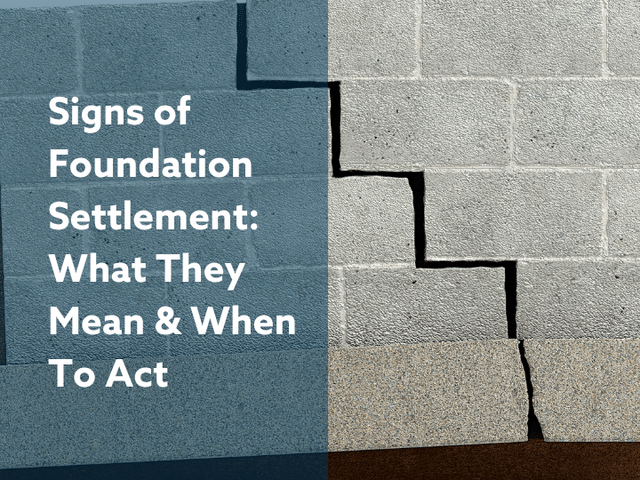
Look for cracks that follow a stair-step pattern
Brick and mortar cracks that travel diagonally along the joints, creating a stair-step pattern, may be associated with settlement or movement in the wall below. Look at both sides of the home, around corners, and near windows or other openings. Note whether a crack is new, widening, or accompanied by separation in nearby materials. Avoid judging the cause from the crack alone, and do not assume that a small crack requires immediate structural work.
Check the chimney and openings around the home
A chimney that appears to pull away from the house, lean, or develop a visible gap at its connection point is worth documenting. The same is true for gaps around window frames, exterior doors, and garage doors. Movement may show up as trim separating from masonry, uneven reveals, or doors that no longer sit square in their frames. Compare the affected area with similar openings elsewhere, then photograph the detail from a safe distance.
Observe grading and drainage without diagnosing
Walk the perimeter only when conditions are safe. Look for soil that slopes toward the home, standing water after rain, eroded areas, or downspouts releasing water beside the foundation. These observations can help explain why a crack or gap may be changing, but they cannot identify the underlying cause. Do not excavate, climb, or enter an unsafe area to investigate.
Record the location, approximate size, direction, and date of each change. If several exterior symptoms are worsening together, or if they are paired with interior cracks, sticking doors, uneven floors, or water intrusion, schedule a professional foundation repair evaluation. An inspection can connect the visible pattern to the home's structure and site conditions before any repair is recommended.
How to Track Signs Your Foundation Is Failing Over Time
Cracks deserve closer attention when they widen, change pattern, or appear with other changes in the home.
The more concerning cracks show a pattern of movement rather than a stable, isolated hairline. A small crack can result from ordinary settling or seasonal moisture changes. A crack that grows, changes direction, or appears alongside sticking doors, uneven floors, or water intrusion is a reason to schedule a professional evaluation.
| Crack pattern | What it may suggest | Practical next step |
|---|---|---|
| Small, hairline, isolated crack | Minor settling or surface movement may be possible. | Photograph it, note the date and location, and watch for change. |
| Widening, horizontal, diagonal, stair-step, or wider at one end | Movement may be uneven or progressing, particularly when other warning signs are present. | Document the crack and arrange an evaluation instead of relying on a patch alone. |
Why the direction and pattern matter
Vertical hairline cracks are not automatically harmless, but their meaning depends on location, age, and whether they change. Horizontal cracks in a foundation wall can be associated with sideways pressure. Diagonal cracks may reflect uneven movement. Stair-step cracks often follow mortar joints in brick or masonry and can be associated with settlement. A crack that is wider at one end suggests that movement may not be uniform.
About 1/8 inch is sometimes used as a screening guideline for deciding when to seek professional input. It is not a diagnosis, and a narrower crack can still deserve attention if it is growing or paired with other symptoms. Conversely, a measurement alone cannot identify the cause, repair needed, or urgency. Do not widen a crack or rely on a ruler as a substitute for an inspection.
Track change, not just size
Use a phone photo with a nearby reference for scale, then record the crack's location, direction, approximate width, and date. Recheck it after heavy rain, drought, or a freeze-thaw cycle. Note whether doors begin sticking, floors feel uneven, masonry gaps appear outside, or basement moisture develops. Several modest symptoms that worsen together can be more meaningful than one dramatic-looking but stable surface crack.
For more guidance on when foundation cracks need attention, review the related homeowner resource. If a crack is rapidly changing, accompanied by visible wall displacement, or creating an immediate safety concern, limit the affected area and seek prompt professional guidance. A qualified inspection can determine whether the cause relates to settlement, soil movement, drainage, or another condition.
How Midwest seasons can expose foundation problems
Seasonal changes in Midwest soil can make foundation symptoms more noticeable. A crack or sticking door that appears after a weather shift does not automatically mean a foundation is failing. Expansive clay, changing soil moisture, drought and rain cycles, frost heave, and freeze-thaw conditions can all affect how soil supports a home. The key is to watch whether a symptom settles with the season or continues to progress.
Expansive clay soil can swell when it absorbs water and shrink as it dries. During a wet spring, the soil around one part of a home may press differently than soil around another part. A summer drought can then reduce soil volume, while heavy rain may quickly reintroduce moisture. These uneven changes can contribute to movement or settlement, especially when drainage sends water toward one side of the foundation. For a deeper explanation, read about how soil affects your foundation.
Cold weather creates another set of stresses. Frost heave occurs when water in the soil freezes and expands, potentially lifting portions of a foundation, walkway, or other structure. Repeated freeze-thaw cycles can then loosen soil and materials as temperatures move above and below freezing. These effects may be more relevant for older Midwest homes. Particularly houses built between the 1960s and 1990s with aging drainage systems or foundations that may be shallower than modern frost protection standards.
Some seasonal movement is temporary. A minor hairline crack that remains stable, or a door that sticks briefly during a humid season, may have a nonstructural explanation. That does not make it useless to monitor. Photograph the area, note the date and weather conditions, and check whether the symptom changes after rain, drought, or a freeze-thaw cycle.
Progressive symptoms deserve closer attention. A crack that widens, reappears after patching, or occurs with uneven floors, exterior gaps, bowing walls, or several sticking doors is more important than a single isolated change. Movement that continues across multiple seasons may indicate an underlying soil or structural issue, but only an inspection can identify the cause. Avoid assuming that weather alone explains worsening damage.
Homeowners in Nebraska, Kansas, Colorado, Iowa, Illinois, and Missouri can use seasonal transitions as a reminder to look for patterns, not as a reason to panic. If changes are worsening, affecting how doors and windows function, or raising safety concerns, document them and arrange a professional evaluation.
How water and drainage affect foundation health
Persistent moisture, standing water, musty odors, efflorescence, and sump-pump problems can signal drainage or foundation concerns, but no single symptom diagnoses the cause.
Water deserves attention because it can affect more than basement comfort. Ongoing dampness may damage finished materials, encourage mold growth, and contribute to deterioration in basement or crawl-space areas over time. White, powdery efflorescence on masonry is a sign that moisture has moved through the wall and left mineral deposits behind. A musty smell, even without visible water, can point to a moisture condition worth documenting.
Look for patterns rather than assuming the worst. Does water appear after heavy rain? Is there standing water along the basement perimeter or beneath the home? Does the sump pump run constantly, fail during a storm, or lack a working backup plan? These observations can help an inspector understand what is happening. They do not, by themselves, show whether the source is a plumbing leak, condensation, surface drainage, hydrostatic pressure, a foundation opening, or another issue. For more context, read about persistent basement moisture damage.
Check the water path outside your home
Start with the systems that move rainwater away from the foundation. Gutters should collect roof runoff without overflowing or releasing water beside the house. Downspouts should direct that runoff away from the foundation instead of emptying at the base of the wall. Walk the perimeter after rain and watch for pooling, muddy areas, exposed soil, or channels where water has eroded the ground.
Grading matters as well. Soil that slopes toward the home can send water against foundation walls. Erosion may create low spots that hold water or expose parts of the foundation. In older Midwest homes, drainage systems may also be aging or incomplete. Seasonal soil movement can change how water flows, so a yard that appears adequate during dry weather may still contribute to problems during heavy rain or rapid snowmelt.
Correcting surface drainage may help, but it is not a universal fix. If moisture continues despite reasonable gutter, downspout, and grading improvements, an evaluation can help identify whether the home needs a drainage adjustment, sump-pump work, or a waterproofing approach. Thrasher's basement waterproofing information explains one category of solution that may be considered after the conditions are reviewed.
Document moisture locations, timing, odors, deposits, pump behavior, and changes after storms. Then schedule an evaluation if symptoms persist, worsen, or appear alongside cracks, wall movement, or uneven floors.
What should you do when several warning signs appear together?
When several warning signs appear together, document the pattern, protect your safety, and schedule a professional evaluation before choosing a repair.
One hairline crack or sticking door is not a diagnosis. However, symptoms that appear in multiple areas, worsen over time, or change after rain or freeze-thaw deserve a closer look. A calm, organized response can help an inspector understand what your home is experiencing.
- Prioritize safety. Do not enter a visibly unstable crawl space, climb near a leaning chimney, or approach a severely bowed wall to take a closer look. Keep children and pets away from areas with falling materials, active water, or obvious structural movement. If there is an immediate safety concern, leave the area and contact the appropriate emergency professional.
- Document each symptom. Photograph cracks, gaps, uneven areas, water marks, and wall movement from a consistent distance. Record the location, approximate width, direction, and date. Note whether the symptom changes after heavy rain, drought, or a freeze-thaw cycle. Also write down related changes, such as a door that recently stopped latching or water that appeared near a basement wall.
- Check drainage without risky entry. From a safe position, observe whether gutters discharge away from the home, downspouts release water beside the foundation, or the yard holds standing water. Look for dampness, musty odors, efflorescence, or sump-pump problems. Do not excavate, remove structural materials, or crawl into a confined space as part of a casual inspection.
- Schedule an evaluation. Share your photos and timeline with a qualified professional. Explain which symptoms occur together and whether they are progressing. An evaluation can help distinguish seasonal movement, drainage concerns, and nonstructural defects from movement that may require repair. If a basement wall is visibly bowing or leaning, review these bowing basement wall signs while you prepare your questions.
- Use the findings to select repair. The cause and location of movement determine the appropriate solution. Depending on the inspection, recommendations may include wall stabilization, piering, crack repair, or crawl-space support. These are possible solution categories, not remote diagnoses. The goal is to match the repair to the condition rather than patching the most visible symptom and hoping it holds.
Keep your records even after the evaluation. They can help you compare changes, understand the recommendation, and make informed decisions about foundation repair. Thrasher serves homeowners across Nebraska, Kansas, Colorado, Iowa, Illinois, and Missouri with education-first evaluations and practical next steps.
Frequently Asked Questions About Foundation Warning Signs
Foundation warning signs do not have one universal timeline, repair plan, insurance outcome, or price. The right answer depends on the home's construction, the cause and extent of movement, site conditions, the repair method, and the homeowner's policy.
How many years does a house foundation last?
A foundation does not have one guaranteed lifespan. Its service life can be influenced by construction quality, soil conditions, drainage, moisture changes, climate, maintenance, and whether movement or water problems are addressed. A well-maintained foundation may serve a home for many decades, but age alone cannot confirm that it is sound. Watch for a pattern of widening cracks, uneven floors, sticking doors or windows, water intrusion, or other changes. If symptoms are progressing or appearing together, schedule an evaluation rather than relying on a general lifespan estimate.
Can you live in a house while foundation repair is done?
Often, homeowners may be able to remain in the home during some foundation repairs. It depends on the repair method, work location, access requirements, noise, dust, and the condition of the structure. Work in a basement or crawl space may affect parts of the home temporarily. More serious movement or a specific safety concern could change that recommendation. Before work begins, ask the contractor which areas will be affected, how long access may be limited, and whether anyone should leave the home during particular steps. Follow the inspection and contractor's safety guidance.
Will homeowners insurance pay for foundation repair?
Coverage depends on the policy, the cause of the damage, and the insurer's investigation. Some policies may treat sudden damage from a covered event differently from gradual settling, soil movement, drainage problems, wear, or deferred maintenance. Do not assume that foundation repair is covered or excluded without reviewing the policy. Document the symptoms and protect the property from additional damage when it is safe to do so. Contact your insurance provider before authorizing work if you are considering a claim. A qualified foundation evaluation can help identify the observed conditions, but it cannot promise an insurance outcome.
How much does it typically cost to fix a foundation?
There is no responsible universal repair price without evaluating the home. Cost can vary with the cause and extent of movement, the foundation type, site access, affected areas, drainage or water conditions, the repair method, and any related work. A crack, bowing wall, settlement concern, or crawl space issue may require a different approach, and a visible symptom alone does not determine the solution. Ask for a clear evaluation and written scope that explains what was found, what work is recommended, and why. Be cautious of a quote based only on a photograph or a single symptom.
Ready to take the next step?
Noticing several changes around your home can feel unsettling, but you do not have to diagnose the cause on your own. A calm, professional evaluation can help clarify what the symptoms may mean and whether they reflect seasonal movement, moisture-related changes, or a problem that needs attention.
During an evaluation, you can ask questions, understand what is happening, and learn which next steps make sense for your home. Recommendations should be based on the cause, location, and progression of the symptoms, not on one crack or sticking door alone.
Thrasher Foundation Repair provides education-first evaluations for homeowners across the Midwest. Get clear information so you can protect your home with confidence and make a decision at the right time.

Meet with a trusted expert, and get clear answers about your home.Schedule Your Free Inspection Online In Minutes
Article Categories: