How to Tell If Your Foundation Is Sinking: A Homeowner Guide
A door that sticks after a humid summer or a small crack that changes with the seasons does not automatically mean your foundation is sinking. Midwest homes experience soil movement as clay expands and shrinks with changing moisture, especially through dry spells, heavy rain, and freeze-thaw cycles.
To understand how to tell if foundation is sinking, look for a pattern that persists or worsens over time. Watch for steadily widening cracks, sloping floors, difficult doors or windows, and related movement indoors and outside. Seasonal cracks may open and close, but an inspection is the safest way to identify the cause.
Start by documenting what you see, when it appears, and whether it changes after wet or dry weather. Then compare the interior and exterior clues together, because one symptom rarely tells the whole story. Here is what to look for around your home before deciding whether to schedule a professional assessment.
How to tell if your foundation is sinking inside and out
A sinking foundation often shows a pattern of movement, such as sticking doors, widening cracks, sloping floors, or gaps where the home meets exterior masonry. These signs can point to settlement, but no single symptom proves that a foundation is sinking. Seasonal soil movement and drainage problems can look similar. Look for changes across several areas of the home, then arrange an inspection when the pattern persists or worsens.
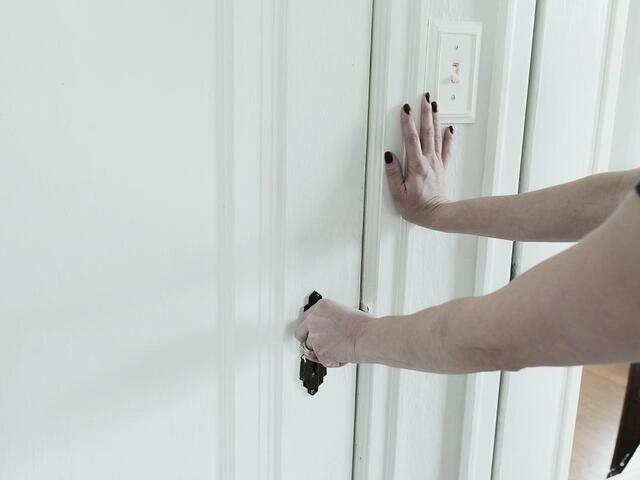
Start inside by opening and closing doors and windows throughout the home. A door that suddenly sticks, will not latch, or swings open on its own may reflect a change in the frame. Windows that become difficult to open can be another sign. These changes matter more when they appear alongside cracks in drywall, plaster, brick, or concrete. North Dakota State University Extension identifies sticking openings and wall cracks among possible signs of building movement.
Compare what you see inside with the exterior pattern
Walk through each level and notice whether floors feel sloped, uneven, or different from how you remember them. A marble or ball rolling in one direction can prompt a closer look, but it cannot diagnose the cause. Pay attention to cracks that continue through several materials, especially where walls, ceilings, floors, or masonry meet. Record their location and take dated photos so you can compare them later.
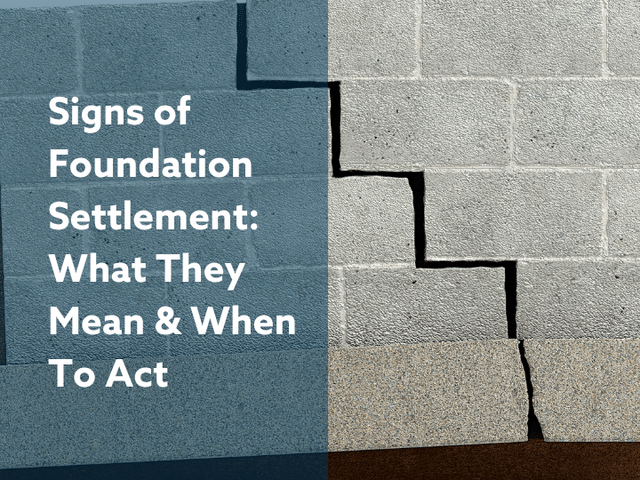
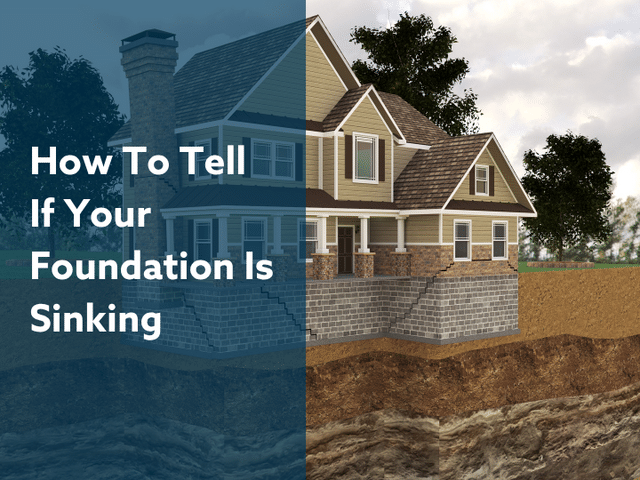
Outside, inspect the foundation line, brick or block walls, window openings, and points where porches, steps, garages, or additions meet the main structure. Stair-step cracks in masonry may occur when one part of a foundation settles differently from another. You may also notice gaps between the house and attached features, separated trim, or exterior surfaces that no longer meet evenly. Those observations deserve professional review, particularly if they are changing.
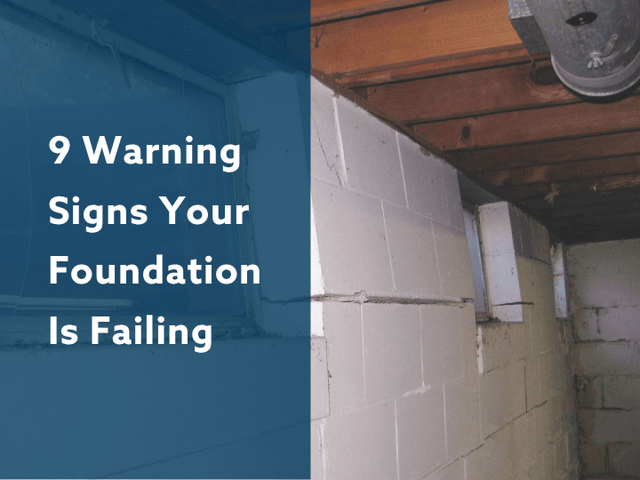
Also look at drainage around the home. Downspouts that release water next to the foundation, soil that slopes toward the house, or standing water can contribute to soil and foundation movement. However, an exterior gap does not automatically mean the foundation is sinking. A qualified inspection can compare floor levels, wall condition, crack patterns, drainage, and possible soil causes before recommending any foundation repair options.
How can you tell if foundation movement is seasonal or progressive?
Seasonal movement usually changes with wet and dry conditions, while progressive settlement continues in the same direction over time. Track cracks and related changes through more than one season, then have a professional evaluate patterns that steadily worsen.
A single crack or sticking door cannot tell you exactly what is happening below your home. The more useful question is whether the symptom responds to weather and then returns to its earlier condition. Or whether each change leaves the home farther out of alignment.
Look for a pattern over time
Start by recording the date, location, and appearance of each crack. Take photos from the same angle and note whether a door, window, or cabinet that once operated normally becomes harder to open or latch. You can also mark observations about sloping floors, gaps at trim, or water collecting near a particular wall. This record is more useful than relying on memory or comparing two unrelated snapshots.
Minor cracks that open during a dry period and narrow again after moisture returns may reflect seasonal soil movement. Clay and other fine-particle soils can shrink during prolonged dry spells, reducing support around parts of a foundation. When moisture conditions change, the soil can expand again. These wet and dry cycles may produce movement that fluctuates rather than steadily progressing.
Progressive settlement is more concerning when a crack continues to widen, new related symptoms appear, or the same area looks worse after each season. Stair-step cracking in brick or block, several sticking openings on one side of the home, and floors that increasingly slope can point to uneven movement. Drainage can also matter. Downspouts, grading, or heavy rain that keep water against one part of the foundation may worsen soil softening or movement. These signs do not establish a diagnosis by themselves, but they justify closer assessment.
Freeze-thaw weather adds another reason to avoid judging the foundation from one visit. Frozen soil, snowmelt, spring rain, summer dryness, and fall moisture can all change conditions around a Midwest home. A crack that appears different in March than it did in August deserves context, not an automatic conclusion. An inspector can compare the visible pattern with wall alignment, floor levels, drainage, and soil-related conditions.
If you are unsure whether the changes are seasonal or progressive, Schedule Your Free Inspection so the cause can be evaluated before you choose a repair. Avoid filling a gap beside a basement wall with soil, since wet soil expands and can add pressure to the wall. For additional background, see what causes a sunken foundation.
Which cracks and gaps deserve closer attention?
Stair-step cracks, widening cracks, separated exterior joints, and horizontal basement-wall cracks deserve closer attention, but none proves a sinking foundation by itself. The pattern, location, direction, change over time, and surrounding conditions matter. Photos can document a symptom, but photos alone cannot determine its cause.
Use the pattern as a reason to investigate, not as a diagnosis
Walk around the interior and exterior of your home. Note whether a crack crosses masonry, follows a mortar joint, changes width, or appears alongside drainage problems. In the Midwest, wet and dry periods, freeze-thaw cycles, and clay soil can all contribute to movement. A professional assessment can evaluate the crack along with wall position, floor levels, moisture, and soil-related conditions.
| Pattern | What it may suggest | What to do next |
|---|---|---|
| Stair-step crack in brick or block | May reflect differential settlement, where one part of the foundation moves more than another. | Record its location and width. Arrange an assessment if it is widening, recurring, or accompanied by sticking doors or uneven floors. |
| Vertical crack in concrete | Can result from concrete shrinkage or minor settlement and is often less serious than horizontal or stair-step cracking. | Monitor changes rather than filling it immediately. Have it evaluated if it grows, leaks, or appears with other movement signs. |
| Horizontal basement-wall crack | Often relates to lateral pressure from water-saturated soil, not necessarily foundation settlement. | Do not fill the gap beside the wall with soil. Wet soil can expand and add pressure. Seek an inspection, especially if the wall bows or rotates. |
| Exterior gap beside a basement wall | Can indicate soil shrinkage and loss of support during a prolonged dry period, though site conditions vary. | Check drainage and document the gap. Do not direct water into it. A qualified professional should determine the cause. |
| Seasonal opening and closing | Minor cracks that change with moisture may reflect reversible seasonal soil movement. | Take dated measurements through changing seasons. Cracks that steadily widen deserve closer assessment. |
A crack becomes more meaningful when it forms part of a larger pattern. For example, stair-step masonry cracking combined with sloping floors or doors that no longer latch warrants more attention than an isolated hairline mark. Likewise, a horizontal basement-wall crack should not automatically be labeled settlement. It may point to water pressure and wall stress that require a different evaluation.
Learn more about what causes a sunken foundation and find answers to common foundation repair questions. Schedule Your Free Inspection to replace guesswork with a clearer assessment of what your home needs.
Why do Midwest soil and drainage conditions affect foundation settlement?
Midwest foundations can move when clay-rich soil gains or loses moisture, while poor drainage, heavy rain, and freeze-thaw cycles change the support around the home. These conditions do not automatically mean a foundation is sinking. They can, however, contribute to uneven movement, especially when one part of the soil behaves differently from another.
Clay and other fine-particle soils may shrink during a prolonged dry spell. As the soil pulls away from basement walls or footings, it can remove support and place stress on concrete. When rain returns, the same soil may expand. Seasonal heave or settlement can also occur as moisture levels change.
How drainage and weather patterns add stress
Heavy rain does not affect every home in the same way. Water that collects beside the foundation can soften soil, increase pressure, or wash soil away. Gutters and downspouts that release water directly next to the house can make that problem worse. Soil grading that slopes toward the home also sends surface water where it does not belong. Freeze-thaw cycles add another variable, as water in the soil freezes, expands, and later thaws.
Look for a pattern rather than treating one wet season or dry-season crack as a diagnosis. Changes that continue after weather conditions return to normal, or movement that appears to worsen over time, deserve an inspection. A professional can evaluate drainage, soil-related causes, wall movement, floor levels, and other conditions together.
- Check where water goes. After rain, observe whether gutters, downspouts, and grading direct water away from the foundation. Correcting surface drainage is useful maintenance, but it does not reverse structural movement that has already occurred.
- Observe seasonal changes safely. Photograph cracks and note dates, weather conditions, sticking doors, and floor changes. Do not enter unsafe areas or remove finishes to investigate behind a wall.
- Maintain moisture carefully. Do not fill a gap beside a basement wall with soil. Wet soil expands and can add pressure to the wall. If watering is needed to maintain consistent moisture, apply it 1 to 2 feet from the foundation edge, never directly into a gap, as NDSU Extension advises.
- Schedule an assessment when movement progresses. If cracks steadily widen, floors become more uneven, or doors and windows continue to change, arrange a professional evaluation instead of relying on a seasonal explanation.
Learning what causes a sunken foundation can provide helpful context, but only an inspection can determine what is happening at your home. Schedule Your Free Inspection to discuss the changes you have documented.
What should you check before scheduling a foundation inspection?
Before scheduling an inspection, document when you noticed the change, where it appears, whether it is getting worse, and what is happening around the home. This record helps a professional evaluate possible movement, but it cannot confirm whether a foundation is sinking or determine the right repair on its own.
A short inspection checklist can turn scattered concerns into useful information. You do not need specialized tools or engineering knowledge. Walk through the home carefully, make notes, and avoid treating any single crack, sticking door, or damp area as a diagnosis. Several conditions can produce similar symptoms.
What to record around your home
- Dates and changes: Write down when you first noticed the issue and when it changed. Take clear photos from the same angle when possible. Cracks that open and close with seasonal moisture changes may reflect normal soil movement, while cracks that steadily widen deserve closer assessment.
- Crack locations and patterns: Note whether each crack is in drywall, brick, concrete, a basement wall, or around a window and door. Record whether it is vertical, diagonal, or stair-step shaped. Include cracks on both the inside and outside of the home, rather than focusing only on the most visible one.
- Openings and floors: List doors or windows that stick, will not latch, or have become harder to open. Walk across each floor and note sloping, sagging, or areas that feel different from before. These observations are more useful when you identify the room and direction of the change.
- Drainage and moisture: Look for standing water, wet soil, downspouts discharging near the foundation, changes in grading, dampness in the basement, or water marks. Also note recent drought, heavy rainfall, or freeze-thaw conditions. Soil moisture cycles can affect movement, especially in clay-rich soils.
- Home history: Gather information about the home's age, previous repairs, additions, plumbing leaks, drainage work, landscaping changes, and any past inspection reports. Mention any large trees or shrubs near the foundation that have been added or removed.
Do not fill a gap beside a basement wall with soil before the inspection. Wet soil expands and can add pressure to the wall. If you are unsure what causes a sunken foundation, leave the area undisturbed and share your observations with the inspector.
Schedule Your Free Inspection to replace guesswork with a professional evaluation.
An inspection can assess the pattern and progression of movement, drainage, floor levels, and other possible causes. Your notes provide helpful context, but the assessment is what determines whether the concern is seasonal movement, a maintenance issue, or a condition requiring repair.
Can a sinking foundation be repaired, and what happens next?
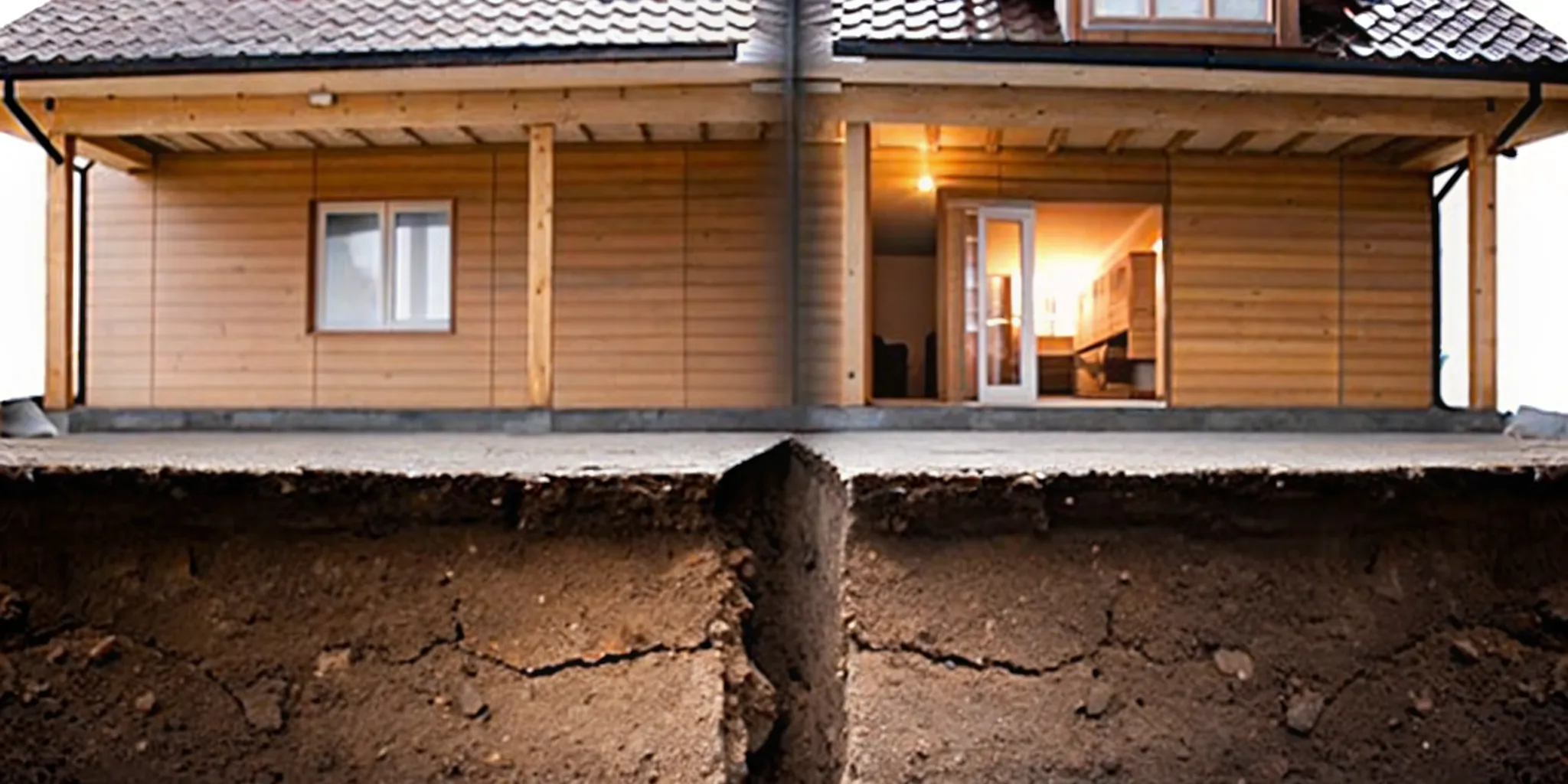
Yes, a sinking foundation may be repairable, but the appropriate solution depends on the cause, structural load, soil conditions, accessibility, and severity of the movement. An inspection is the step that connects those conditions to a practical repair plan. A crack or uneven floor can signal settlement, but it can also have another cause. So a method should not be selected from a photo or a single symptom.
Foundation settlement is often related to changing soil support. For example, clay or other fine-particle soils can shrink during prolonged dry conditions, creating gaps beneath or alongside parts of a home. Water accumulation, poor drainage, or other site conditions may also affect the soil around the foundation. The right repair must address the movement and the conditions contributing to it, rather than simply covering a visible crack.
What an inspection helps determine
A qualified inspector can look for patterns across the home, including wall cracks, floor levels, sticking doors and windows, drainage, and signs of wall rotation or bowing. They can also consider the building's history, soil conditions, moisture patterns, and whether the changes appear seasonal or progressive. This broader view matters because two homes with similar cracks may need different next steps.
Depending on what the assessment finds, recommendations may range from monitoring and moisture-management improvements to a structural repair system. Foundation piering is one inspection-led option that can transfer foundation loads to deeper, more stable soil, but it is not appropriate to prescribe it without evaluating the home. Other situations may call for a different foundation repair approach, drainage work, or wall-repair planning.
Before an appointment, keep dated photos and note when cracks, sticking openings, or floor changes appear. Avoid filling a gap beside a basement wall with soil, because wet soil can expand and add pressure to the wall. If you need more background, learn what causes a sunken foundation and review common foundation repair questions.
Schedule Your Free Inspection to replace uncertainty with an evaluation of your home's specific conditions.
When is it time to contact a foundation professional?
Contact a foundation professional when movement appears to be worsening, affects several areas of the home, or is accompanied by water, drainage, or wall changes. An isolated hairline crack may not indicate a serious problem, but a pattern that changes over time deserves an inspection rather than a guess based on a photo.
Use the pattern, not one symptom
Start by looking for change. Note the date, location, and approximate size of any crack, then check whether it opens, widens, or spreads through nearby surfaces. Pay attention to doors and windows that become harder to operate, floors that feel less level, or gaps that develop where walls meet ceilings, trim, or floors. These observations are more useful when recorded over time than when viewed as a single snapshot.
Promptly arrange an evaluation if several signs appear together, if a crack steadily changes. Or if you see related movement on both the interior and exterior of the home. Stair-step masonry cracking, separated joints, or a basement wall that appears to be bowing should not be dismissed as ordinary seasonal settling. Water collecting beside the foundation, recurring basement moisture, or drainage that directs runoff toward the house also provides important context for the assessment.
Some changes can have more than one cause. A sticking door may relate to humidity or a local framing issue, while a basement-wall crack may involve water pressure rather than settlement. That is why a professional evaluation should consider the full pattern, including floor levels, wall condition, drainage, moisture, and the surrounding soil. For additional background, review these signs of foundation movement and the common symptoms of a sinking foundation.
You do not need to determine the repair method yourself. An inspection can clarify whether the concern is seasonal movement, drainage-related, or a structural issue requiring further attention. If your observations point to possible settlement, learn more about what causes a sunken foundation and bring your notes to the appointment. The goal is a clear next step, not a rushed conclusion.
Frequently Asked Questions
How can you tell whether foundation movement is seasonal?
Seasonal movement often changes with weather. A minor crack may open during a dry period and narrow after wetter conditions return. Clay-rich Midwest soils can shrink and swell as moisture changes, so track the same crack with dated photos instead of judging it from one snapshot. Cracks that steadily widen deserve a professional assessment.
Which signs suggest a foundation may be sinking?
Look for a pattern rather than one isolated symptom. Sticking doors or windows, uneven floors, cracks in brick or concrete, and stair-step masonry cracks can occur when parts of a home settle differently. Horizontal basement-wall cracks may instead be related to pressure from water-saturated soil, so the crack pattern alone cannot confirm the cause. Review common foundation movement signs during an inspection.
Can I repair a sinking foundation myself?
Homeowners can document changes, inspect gutters and downspouts, and keep surface water moving away from the home. Avoid filling a gap beside a basement wall with soil, because wet soil can expand and increase pressure on the wall. Patching a crack without identifying the cause may hide an ongoing problem, so leave structural repairs to a qualified professional.
When should I schedule a foundation inspection?
Schedule an inspection when cracks are worsening, doors or windows remain difficult to operate, floors appear uneven, walls bow, or drainage problems keep water near the foundation. An inspection can evaluate the structure, floor levels, drainage, and soil-related causes, then explain the appropriate next step. Early assessment is useful even when you are unsure whether the movement is seasonal.
Protect your home with a clearer next step
Foundation symptoms deserve context, not a rushed conclusion. By documenting changes and comparing interior, exterior, soil, and drainage clues, you can give a professional useful information without trying to diagnose the home yourself. Thrasher Foundation Repair serves homeowners across the Midwest with an education-first approach.
Meet with a trusted expert, and get clear answers about your home.Schedule Your Free Inspection Online In Minutes
Article Categories: