Why Sticking Doors and Windows Foundation Warning Signs Matter
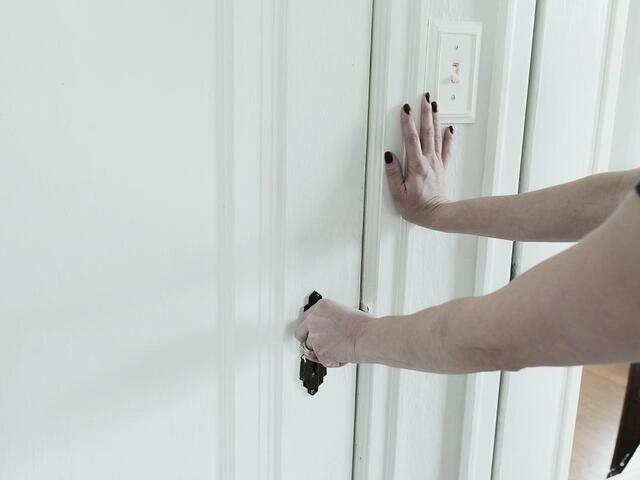
Finding sticking doors and windows are foundation warning signs and spotting them early on is key for protecting the safety of your home. When doors jam or you notice sticking windows and doors, it often means the building is shifting due to changes in the soil moisture levels.
In the Midwest, expansive clay soils swell when they are wet and shrink when they are dry. This cycle removes support from your home and causes the foundation to settle. These movements make the walls go out of square, which leads to frames that no longer fit. These issues are classic signs of foundation settlement that need a professional look.
Fixing the root cause early can prevent more severe damage like cracked walls or bowing foundations in the future.
Sticking Doors And Windows Foundation Warning Signs: Why Do Doors and Windows Suddenly Stick?
When doors or windows in your home start to jam, it is often more than a small nuisance. In many cases, this is one of the most common foundation warning signs. While a door that sticks might seem like a local issue, it often shows that the whole house is shifting because of the soil below.
The Role of Expansive Clay
Midwest soils have high levels of expansive clay. These clays act like a sponge, growing in size when they get wet and shrinking as they dry out. This cycle creates seasonal soil moisture changes that put massive pressure on your home. When the soil gets wet from spring rain, it can push against the foundation walls with great force.
As the soil dries out during a hot summer, it pulls away from the home. This shrinkage removes the support that your foundation needs to stay level. This soil movement is a primary cause of why doors and windows start to stick.
How Soil Movement Warps Frames
A home depends on its foundation to keep all the walls square and level. When the soil under the home shifts, the foundation moves with it. This movement pulls the door and window frames out of their square shape. Even a tiny shift in the foundation can cause a door to bind or a window to jam in its track.
When the soil shrinks, the foundation loses its base and may drop in certain areas. This drop is known as foundation settlement. As the walls move, the frames for your doors and windows warp. This makes them hard to open or close because they no longer fit the space. If you notice these signs, it often means the building is shifting due to soil shrinkage.
Seasonal Patterns in the Midwest
In the Midwest, these issues often follow the weather. You might find that a door sticks in the dry months but works fine when it rains. This change happens because the clay under your home is constantly moving. While it may seem like a seasonal quirk, this ongoing movement can cause lasting damage to your foundation over time.
If you see these sticking points, it is wise to look for other signs of trouble. Cracks in the drywall or gaps around the outside of window frames often go along with sticking doors. These signs tell a story of what is happening deep in the ground. Addressing these soil issues early can help prevent more costly repairs to your home later on.
The Connection Between Soil Movement and Foundation Settlement
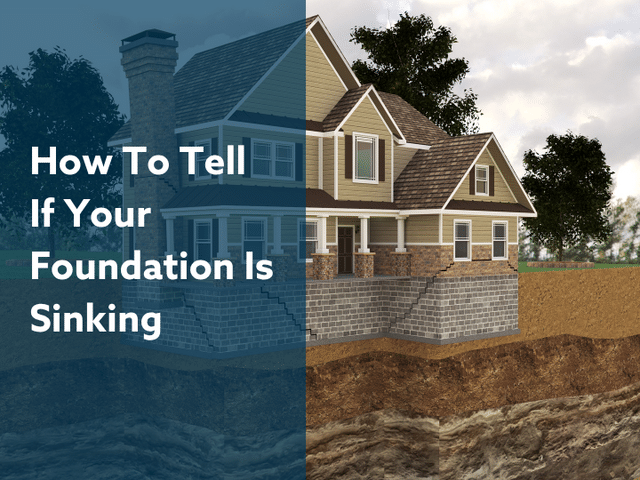
Most home damage happens slowly over many years. You might not notice a tiny shift in your home's base at first. But these small changes add up. When the ground under your house moves, your whole home moves with it. This process is called foundation settlement, and it is a leading cause of home issues in the Midwest. Most of the time, this sinking is slow rather than sudden.
1. How Soil Shrinkage Creates Voids
In our region, the ground contains a lot of clay. This clay acts like a sponge. It grows when it is wet and shrinks when it is dry. During a hot summer or a long dry spell, the soil loses its water. As it dries out, the dirt pulls away from your home's base. This creates empty spaces, or voids, where solid ground used to be. The clay simply cannot hold its shape without enough water.
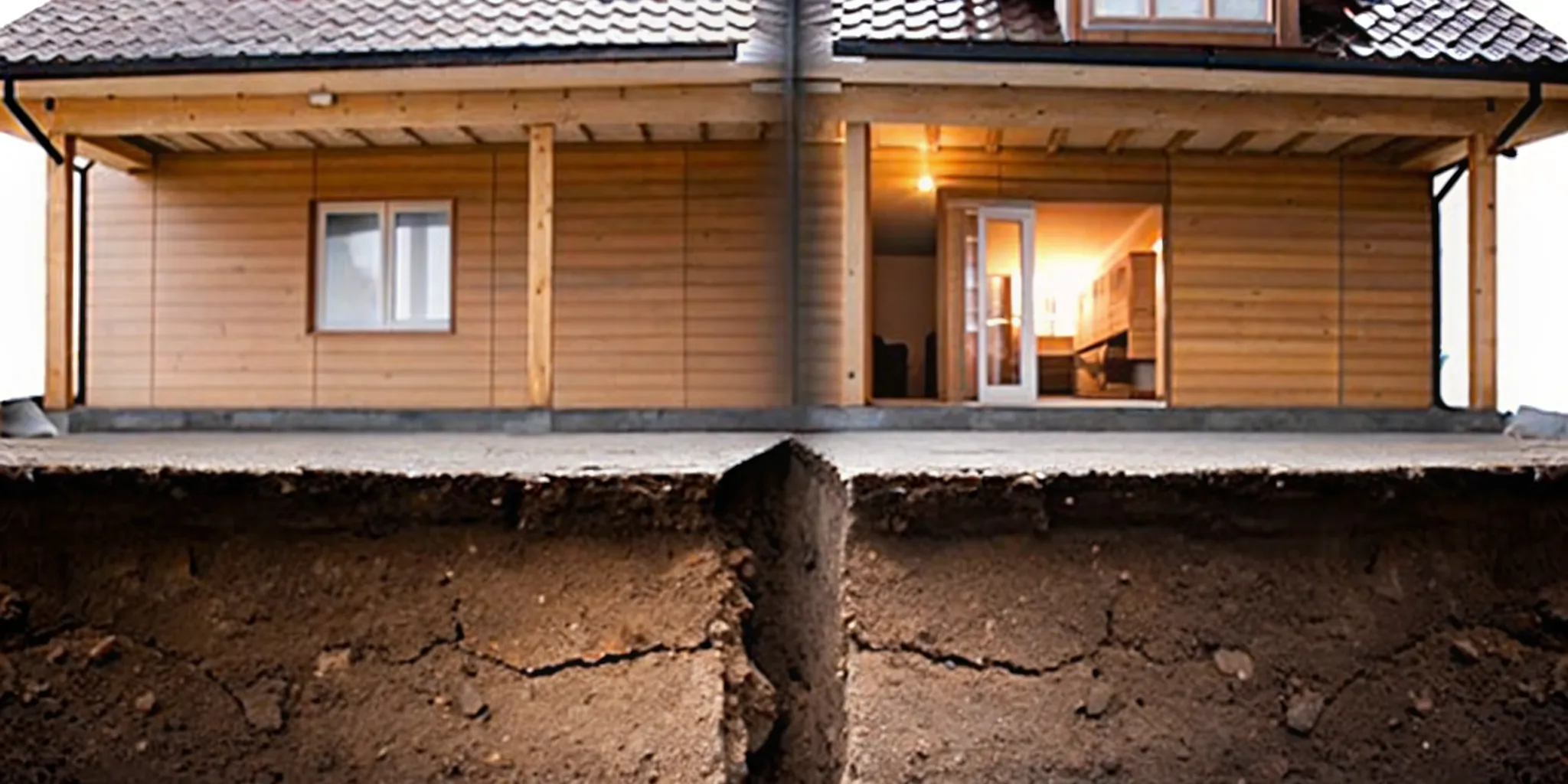
A house needs even support to stay level. When the soil shrinks, it removes the support your foundation needs to hold the weight of your home. Without this support, the heavy concrete base can crack or sink into the empty gaps. This movement is rarely even across the whole house. One corner may sink while the rest stays in place. This uneven drop is what causes the most trouble for your doors and windows.
2. Why Frames Change Shape
Your home was built to be square and level. Every door and window frame was made as a perfect rectangle to fit the doors and windows. When one part of the house sinks, the walls tilt slightly. This tilt changes the shape of your door and window openings. They stop being perfect rectangles and become slightly slanted. The frame twists into the shape of a slanted box. This "out-of-square" shift is why you see sticking doors and windows in your home.
Even a small shift can cause a big problem. When a frame is no longer square, the door or window sash will rub against the side. You might have to pull hard to open a window or kick the bottom of a door to get it to shut. You may also see gaps at the top or bottom of the frame where it no longer meets the wall. These are clear signs that foundation settlement is pulling your home apart. Fixing the door itself will not stop the house from sinking further.
3. Crawl Space Support Issues
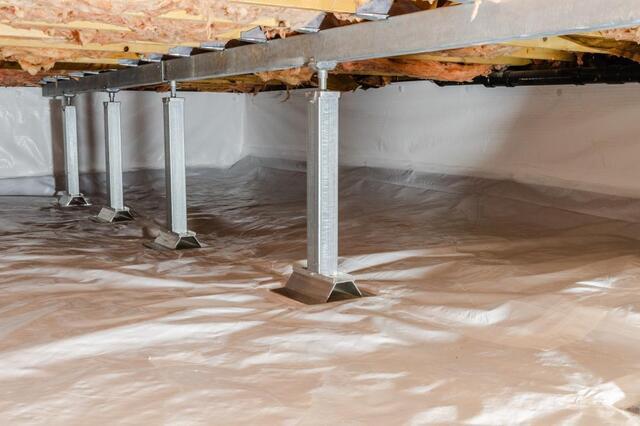
Not every sticking door comes from a sinking foundation. If your home has a crawl space, the issue might be in the floor supports. The wooden beams that hold up your floor can rot or sag over time. This often happens when the crawl space stays too damp. It can also happen when the soil under the support posts shifts or settles. Just like a sinking foundation, a failing crawl space post will make the floors above it uneven.
When these posts fail, the floor above them drops. This pull can warp the walls and tilt the door frames on your main floor. It is important to know if your problem is in the deep foundation or the crawl space supports. Both issues can make doors stick, but they require different fixes. A professional check can find the real cause of the movement before the damage gets much worse. Knowing the source of the shift is the first step toward a permanent fix.
Other Warning Signs of Foundation Problems
When you find your sticking doors and windows foundation warning signs, it is smart to look around the rest of your home. Often, a door that will not shut is just the first clue of a deeper issue. Foundation settlement usually shows up in several ways at the same time. While a single stuck door might be from humidity, a group of signs often means the ground under your home is shifting.
1. Cracks in Drywall and Inner Walls
One of the most common signs that your home is moving is the look of new cracks in your walls. These often show up in drywall near the corners of door frames or window openings. As the foundation settles, it pulls on the wooden frame of the house. This stress causes the drywall to tear or crack in slanted lines. You may also see tape on the ceiling or wall corners start to peel or bunch up.
It is important to watch these cracks over time. Small, thin cracks might just be from a home settling into place after it is built. But if they grow wider or show up along with jammed doors and warped flooring, they are likely a sign of soil movement. In the Midwest, expansive clay soils are a major cause of this type of home damage.
2. Uneven or Sloping Floors
If you feel like you are walking uphill in your living room, your foundation may be to blame. Slanting or uneven floors are a clear signal of foundation settlement. When one part of the foundation sinks faster than the rest, the floors above it will tilt. You might notice that a ball rolls across a flat room on its own, or that your items look crooked against the wall.
Beyond being a trip hazard, these slopes show that the structural support of your home is no longer level. This shift can also lead to wall buckling and other serious issues. According to experts at Thrasher, settlement can cause slanting floors and structural wall buckling that need help to fix. Watching for these four signs of a sinking foundation can help you catch the problem before it costs more to repair.
3. Gaps and Outer Issues
You should also check the outside of your home for warning signs. Look for gaps between your window frames and the outer siding. If the foundation moves, these frames can pull away from the walls, leaving space for water and pests to get inside. You might also see gaps where the walls meet the ceiling or where the floor pulls away from the baseboards.
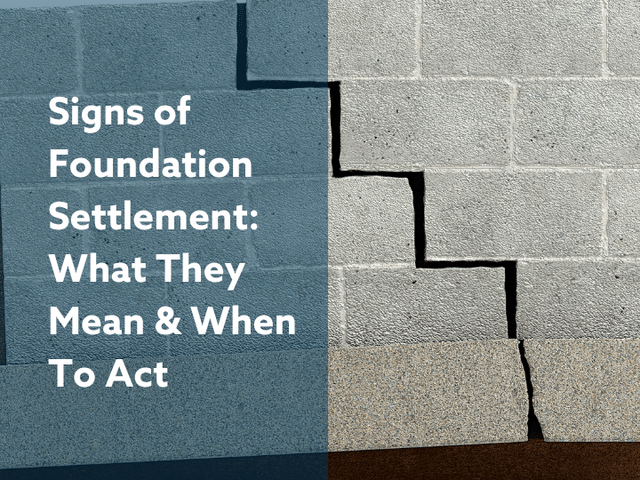
On brick homes, look for "stair-step" cracks in the mortar. This pattern is a classic sign that the foundation is sinking in one spot. As the structure shifts, the bricks are forced apart, making a zig-zag crack that follows the mortar lines. If you see these cracks along with doors that do not latch, it is time to have an expert look at your home. Catching these signals early is the best way to keep your home safe.
Why Midwest Homes Are Mostly at Risk
People who own homes in the Midwest face hard tasks because of the local land and weather. If you live in Nebraska, Kansas, Iowa, Illinois, Missouri, or Colorado, your home sits on a special type of ground. This soil acts in ways that can hurt your house when it gets wet. One of the first signs of this stress is often sticking doors and windows which tell you something is wrong under your feet.
The Impact of Expansive Clay Soils
Most of the Midwest has a lot of clay in the soil. Experts call these "expansive soils" because they act like a sponge. When the ground gets wet, the clay takes in water and grows in size. This growth creates huge force. This steady move puts pressure on your home walls.
When the soil grows, it can push against the sides of your foundation. It can even lift parts of your home. When the ground dries out, the clay shrinks and leaves gaps. This cycle of growing and shrinking happens every year. Over time, it makes the house shift. This shift causes the frames around your doors and windows to go out of square, which is why they start to stick.
Big Swings in Soil Water Levels
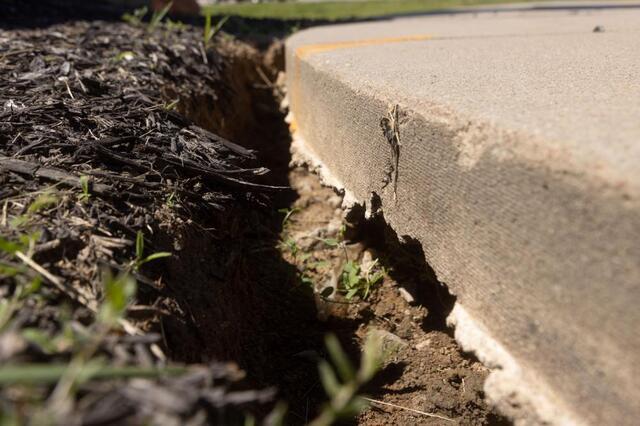
Our region has big swings in weather. We often see heavy rains in the spring followed by dry heat in the summer. These swings are hard on the ground under your home. During a drought, the soil shrinks away from the foundation. This removes the support the house needs to stay level.
When the soil pulls back, the weight of the house can cause it to sink into the gaps. This sinking is not even. One side of the house might drop more than the other. This uneven move is what creates cracks in your walls. It also makes it hard to open or close your windows. You might think it is just the damp air, but it is often a sign of a deep issue with the land.
Freeze-Thaw Cycles and Older Foundations
Midwest winters add more risk. The ground freezes deep into the earth. In many parts of our area, the frost depth can reach 32 to 42 inches. When water in the soil freezes, it turns into ice and grows. This ice can heave the ground upward. When it melts, the ground settles back down. This "freeze-thaw" cycle happens many times each year. It shakes the base of your home.
Many homes built between 1960 and 1990 have shallow foundations. These older designs may not reach deep enough to stay below the frost line. If your house was built during this time, it may be at higher risk. A shallow base is easier for the frost to move. This leads to the shifts that cause your doors to jam or your windows to stick. Knowing these local facts is the first step to keeping your home safe for years to come.
When To Call a Professional vs. Simple Fixes
You may wonder if a sticking door is a quick fix or a sign of a larger problem. Many homeowners try to solve the issue by sanding the wood or oiling the hinges. While these steps might help for a short time, they do not fix the root cause if your home is shifting. Learning to tell the difference between a small seasonal change and sticking doors and windows foundation warning signs can save you time and money.
Check for Seasonal Wood Changes
In many cases, a single door might stick only during the humid summer months. Wood naturally swells when it gets wet or takes in moisture from the air. If the door moves well in the dry winter but catches in the summer, it may just be a wood issue. You can test this by checking if the problem goes away when the weather gets drier. But if many doors or windows stay stuck all year, it often points to soil shrinkage causing the house to shift.
Look for Uneven Gaps and Frame Cracks
A clear way to find the source is to look at the gap between the door and the frame. If the gap is wide at the top but tight at the bottom, the frame is no longer square. You should also look for small cracks in the drywall near the corners of the door or window. These cracks often mean the foundation has settled in one area. When the soil under your home dries out and shrinks, it takes away the support needed to keep the walls level. This leads to foundation settlement, which pulls the frames out of place.
When it is a Wood Issue vs. a Foundation Issue
Sign |
Wood or Humidity Issue |
Foundation Settlement |
|---|---|---|
| When it happens | Only during humid or rainy seasons | Persists year-round, may worsen over time |
| How many doors | Usually one door or window | Affects multiple doors and windows across rooms |
| Accompanying signs | None or minor seasonal swelling | Drywall cracks, sloping floors, frame gaps |
| Door-to-frame gap | Even gap, door swells evenly | Uneven gap, wider at top or bottom |
| Simple fix results | Trimming or lubricating works | Fix fails within months, frame keeps shifting |
Evaluate Simple Home Repairs
You can try small fixes like tightening loose screws in the hinges or cleaning the window tracks. Some people even trim the edge of a door to make it fit. These fixes may work if the house is just aging or the wood has moved slightly. But if the main cause is sticking windows and doors produced by a sinking foundation, these repairs will fail. The house will keep moving, and the door will likely stick again in a few months. Trimming the door only hides the real issue while the damage gets worse.
Benefits of an Early Inspection
If you see signs that affect more than one room, it is time to call for help. Catching foundation issues early is much cheaper than waiting for the walls to buckle or the floors to slope. An expert can find out if the soil under your home is failing to support the weight. Getting a professional foundation inspection gives you a clear plan to protect your home. Acting now prevents small cracks from turning into major structural failures that are much harder to fix.
What a Professional Foundation Inspection Covers
A foundation check is more than a quick glance at your basement. A true expert review looks at your entire home as one system. This full look helps find the main reason for sticking doors and windows foundation warning signs. By finding where the ground has shifted, an expert can build a plan to stop the damage for good.
The Exterior Walk-Around
Before looking at the walls, the expert checks the ground outside. They look for signs like gaps between the soil and the foundation. They also check for areas where water pools near the house. These clues show how seasonal weather is affecting your home. In the Midwest, expansive clay soils often shrink or swell based on the amount of rain. As they shrink or expand, the foundation becomes uneven and unsteady. This movement is why your door frames begin to tilt.
Checking the Interior Signs
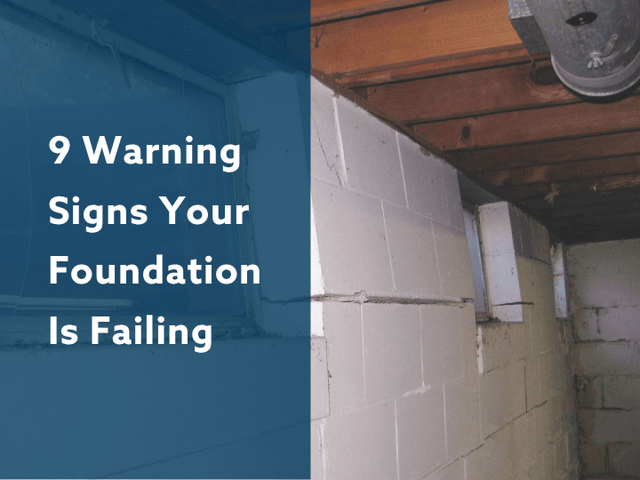
Inside your home, the expert looks for small signs that the house is moving. They check for cracks in the drywall or spots where the floor feels like it is slanting. They also test your doors and windows to see if they open and close with ease. If a door frame is no longer square, it often means the foundation has settled in one corner. The expert will also check for wall bowing in the basement or crawl space. This is why a professional foundation inspection is vital for the long-term safety of your home. It goes beyond what a homeowner can see on the surface.
Steps of a Thrasher Inspection
- The initial talk. You and the expert discuss what you have seen, like cracks or sticking doors. This talk helps the expert focus on the areas that worry you the most.
- The exterior check. The expert walks around the house to check for soil gaps and drainage issues. They also look for foundation cracks that show where the home is sinking.
- The interior review. The expert checks for drywall cracks and wall bowing. They use a digital level to see how much the floors have slanted over time.
- The cause of movement. After the review, the expert explains what is causing the shift. This might be soil settlement or the failure of old crawl space supports.
- The repair plan. The expert shows you how to fix the problem. This often involves using patented push piers or helical piers to keep the foundation stable.

After the review, you get a full estimate for the work. This plan focuses on permanent fixes that protect your home's value. Thrasher has helped homeowners since 1975, so they know how to handle Midwest soil problems. Best of all, the inspection is free and has no obligation. You get the facts you need to make a good choice for your family and your home.
Frequently Asked Questions
1. Do sticking doors always mean foundation problems?
Sticking doors do not always mean your foundation is failing. High humidity can cause wood to swell and stick in the frame. However, if the sticking happens during dry spells or seasonal soil shifts, it may signal a bigger issue. You should look for other signs like wall cracks to be sure.
2. Can sticking doors indicate foundation settlement?
Yes, doors that jam or stick are classic signs of foundation settlement. This occurs when the soil under your home shrinks or shifts. This removes the support for the structure. As the foundation sinks, the door frames go out of square. This makes them hard to open or close. Expert teams like Thrasher find that uneven support is a main cause of this problem. If left alone, this shift can lead to more structural damage.
3. Does crawl space support failure cause sticking doors?
Yes, a door that sticks when you try to open it can also point to crawl space support failure. If the posts in your crawl space settle or the wood begins to rot, the floors above can sag. This change in the floor level puts stress on the door frames in your home. Research shows that sticking doors often point to either foundation settlement or crawl space issues. Both problems need a professional look to keep your home safe.
4. What should I do if I notice sticking doors in my home?
If you see doors sticking along with new wall cracks, you should seek help. Do not just sand down the door or fix the hinges, as this hides the real problem. You should call for a free check of your foundation to find the root cause. A trained eye can tell if seasonal soil moisture is the cause. Experts at Thrasher can check your home and suggest a plan to fix the foundation for good.
Ready to schedule your free foundation inspection?
Leaving a door that jams or a window that will not open can lead to much bigger home repairs and higher costs down the road. These sticking points are often the first signs that the ground under your house is shifting due to yearly moisture changes in the soil. If you act now, you can stop this shift before it leads to large wall cracks, major structural failure, or other costly home damage. Taking care of these small warning signs today keeps your home stable and protects your family house for many years to come. Acting early is the best way to ensure your home stays safe for your family and keeps its value high for the future.
Ready to schedule your free foundation inspection? Call (800) 827-0702 to talk to a foundation expert and set up your free visit.
Article Categories: